
Cedar Mulching
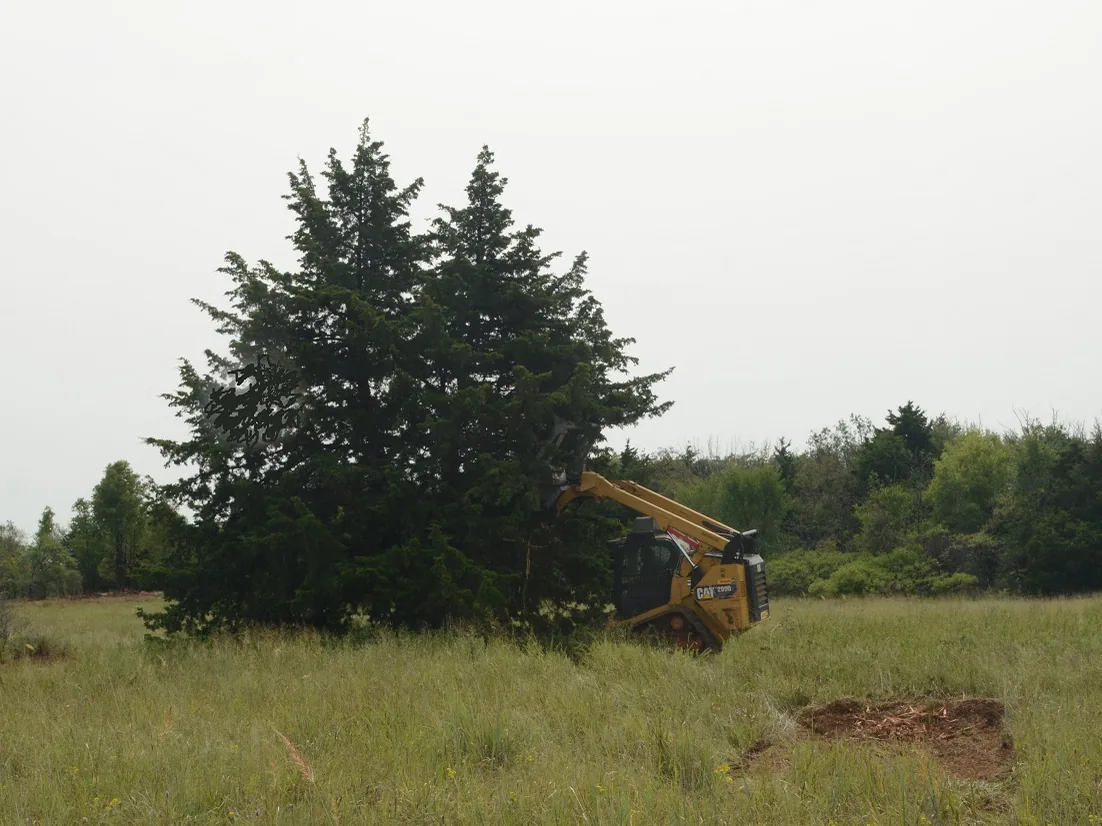
We grind standing cedar into mulch where it grows and leave it on the ground as cover. Live oaks and the trees you want kept stay in place.
Learn More
County plat records show more lots platted around Canyon Lake in the 1960s than in any other decade. That was the decade the U.S. Army Corps of Engineers finished Canyon Dam on the Guadalupe River. Much of that Hill Country ground now sits under cedar and brush, on thin soil over limestone. Building a house or running a fence line starts with clearing some of it.
Canyon Lake is part of our service area, and Kudu Land Services serves both sides of the lake. For forestry mulching in Canyon Lake, a mulcher on a compact track loader grinds cedar and brush where they stand. It is the same forestry mulching we do across Central Texas, and the mulch stays on the ground. Call or text (512) 745-0804, and we look at the job and put the quote in writing.
Tell us about the land, the work it needs and where it is. We look at the job and put the quote in writing.
Work on Canyon Dam began in 1958, and the lake began to fill in 1964. More than a third of the lots on county plat records here date from the 1960s. Canyon Lake Forest was platted in 1962 and 1963, and Canyon Lake Hills in 1966.
Most of the homes came later. Census estimates say about half of the homes in Canyon Lake were built in 2000 or later. The 2020 Census counted 31,124 people here, up from 21,262 in 2010. Plats for new phases were still being recorded in 2025.
If your lot sat empty a long time, cedar and brush may cover it now. Land clearing for a home site opens room for the house and the drive. The cleared growth is mulched in place, so the ground keeps a layer of cover.
Federal soil maps put most of the Canyon Lake area on Brackett and Comfort soils, often mixed with rock outcrop. Both are shallow, with limestone about 5 to 20 inches down. The most common soil unit here lies on slopes of 8 to 30 percent.
You can see that limestone at the Canyon Lake Gorge, below the dam's spillway. In 2002, a flood poured over the spillway for the first time and cut the 64-acre gorge. It laid bare layers of limestone and dinosaur tracks.
The federal soil survey notes that overgrazed Brackett ground can turn to ashe juniper and other brush. Cedar mulching grinds that cedar where it stands. The mulch stays on the thin soil as ground cover.
The federal government owns the land under Canyon Lake at its normal level of 909 feet. It also owns a strip of shore around the water. Concrete markers with brass caps mark the corners of the U.S. boundary line, and a fence may or may not follow it.
The Corps of Engineers says removing trees or shrubs on that land to open a lake view is illegal. Clearing stops at the boundary line. The Corps lake office at the dam can set a field visit with a park ranger to help find it.
Some private land above the line carries a flowage easement, which lets the government flood it at times. Around Canyon Lake that land is generally below the 948-foot level, and the deed history sets the exact line. The Corps allows clearing and planting there without written consent if the natural grade stays the same. Brush clearing on your side of the line can take out the low growth and keep the shade trees.
Canyon Lake is unincorporated, so permits run through Comal County. The Comal County Engineer's Office lists the permits for building in the unincorporated county. That list covers septic systems and floodplain development. Work in a county road right-of-way, such as a driveway or landscaping, needs its own permit.
A new home without a sewer line needs a septic permit, which the county calls an OSSF permit. The process starts with a site and soil evaluation. The county also tells owners to check the rules of their property owners association. The county answers permit questions, and we point you there.
Comal County orders burn bans during dry spells and posts the status on its website. Normal July and August highs at Canyon Dam run about 94 to 96 degrees. Mulching turns cedar and brush into ground cover on the spot. For a house set among cedar, wildfire fuel reduction thins the fuel close to the home.
Communities and areas we serve around Canyon Lake: Startzville, Sattler, Fischer, Smithson Valley, Cranes Mill, Canyon Springs, Canyon Lake Forest, Canyon Lake Hills, Canyon Lake Shores, Canyon Lake Village West, Mystic Shores, Rancho del Lago.
Canyon Lake ZIP codes served: 78133, 78070, 78132, 78623.
Canyon Lake is part of our service area. We look at the job first, then put the quote in writing.
(512) 745-0804 We grind standing cedar into mulch where it grows and leave it on the ground as cover. Live oaks and the trees you want kept stay in place.
Learn More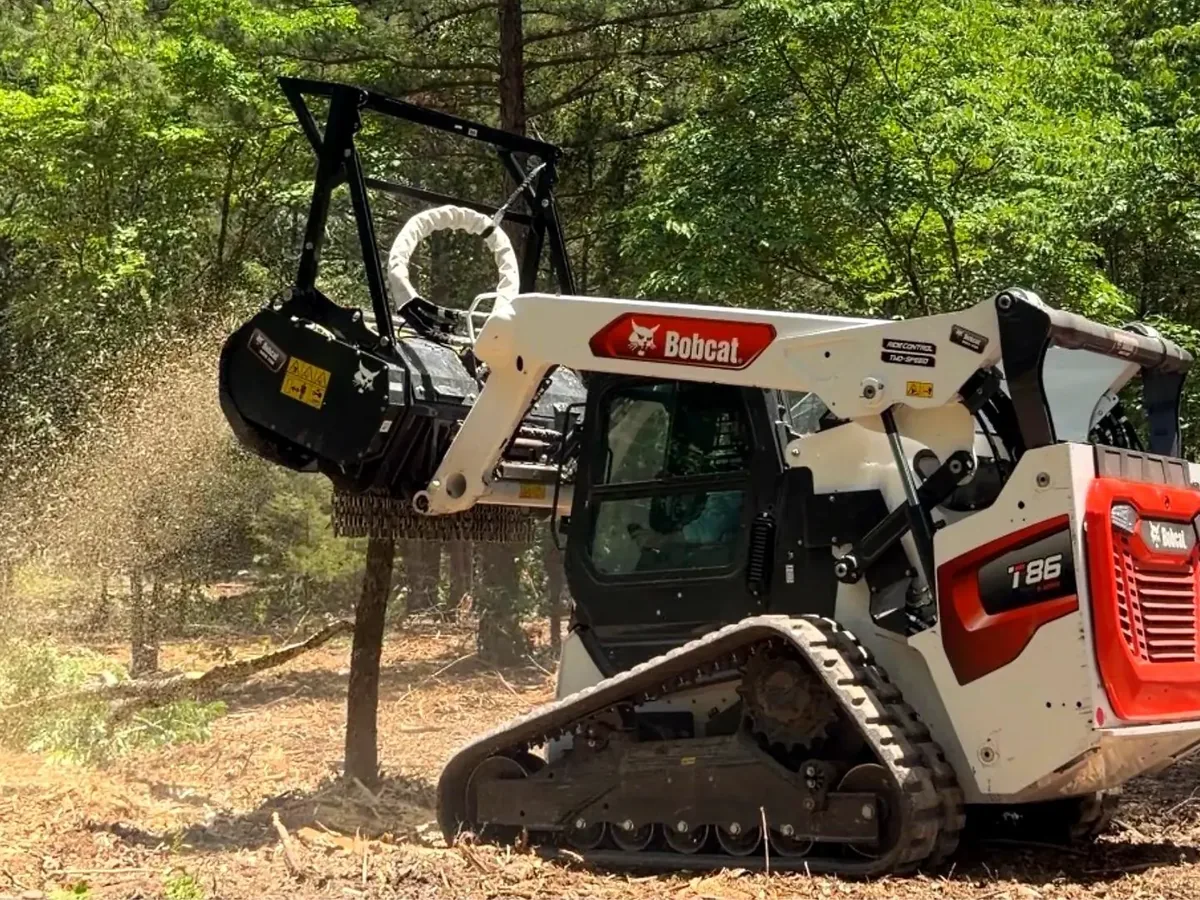
Land clearing for a home site or new pasture on rural land. We mulch the trees where they stand and keep the ones you choose.
Learn More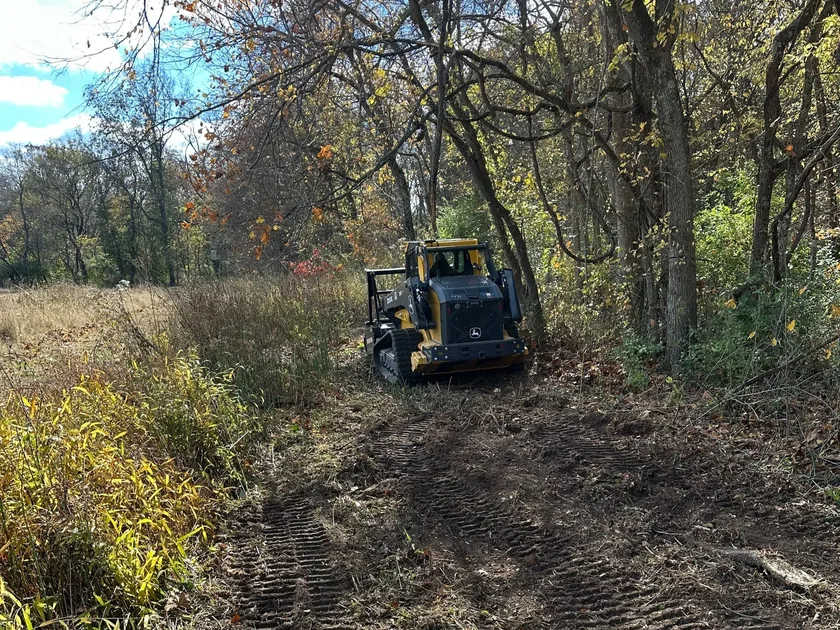
We mulch thick underbrush in place and open up overgrown fence lines. The trees you want to keep stay standing.
Learn More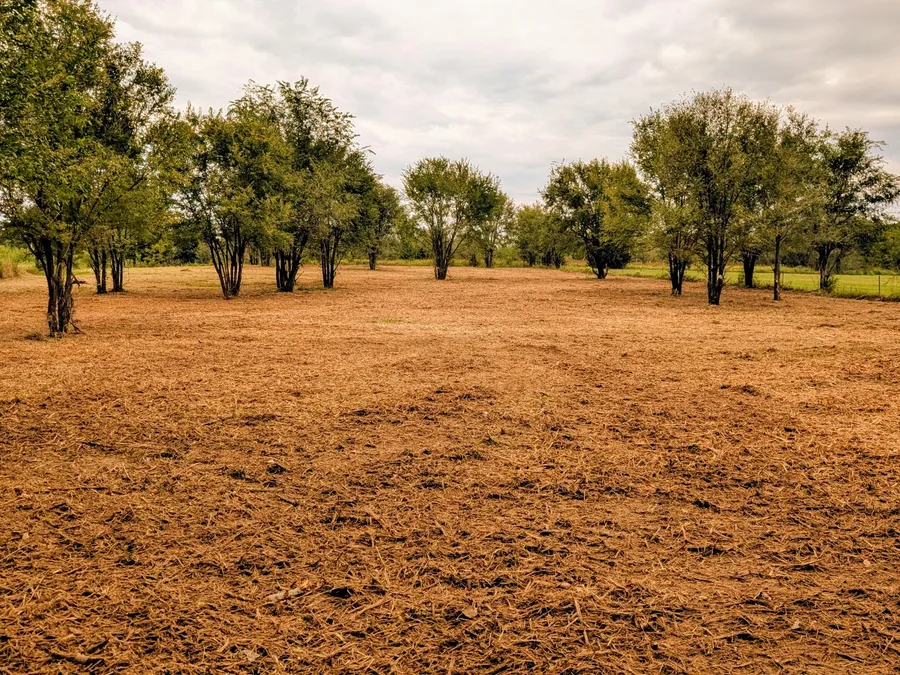
We mulch cedar thickets and underbrush to open defensible space around homes and fuel breaks on acreage. The mulch stays on the ground, and the trees you choose stay standing.
Learn More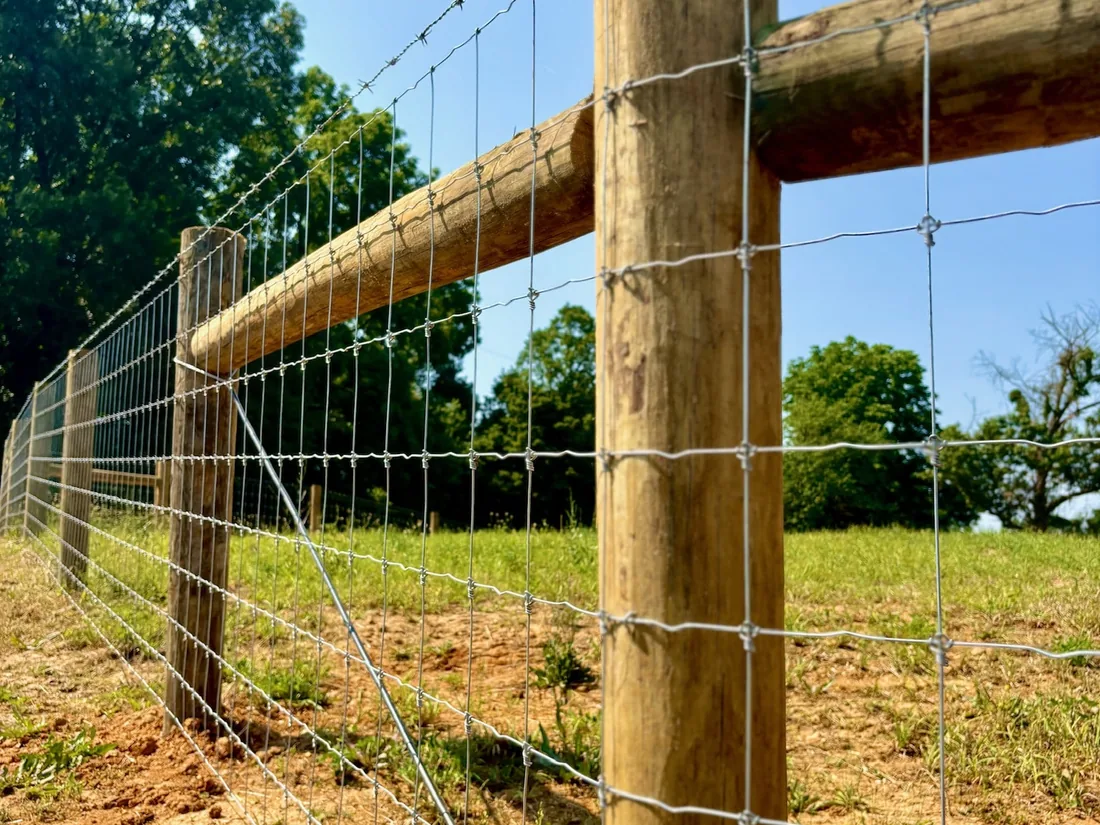
Fence installation for acreage and ranch land, often right after the clearing. We clear the fence line first, then put the fence up.
Learn More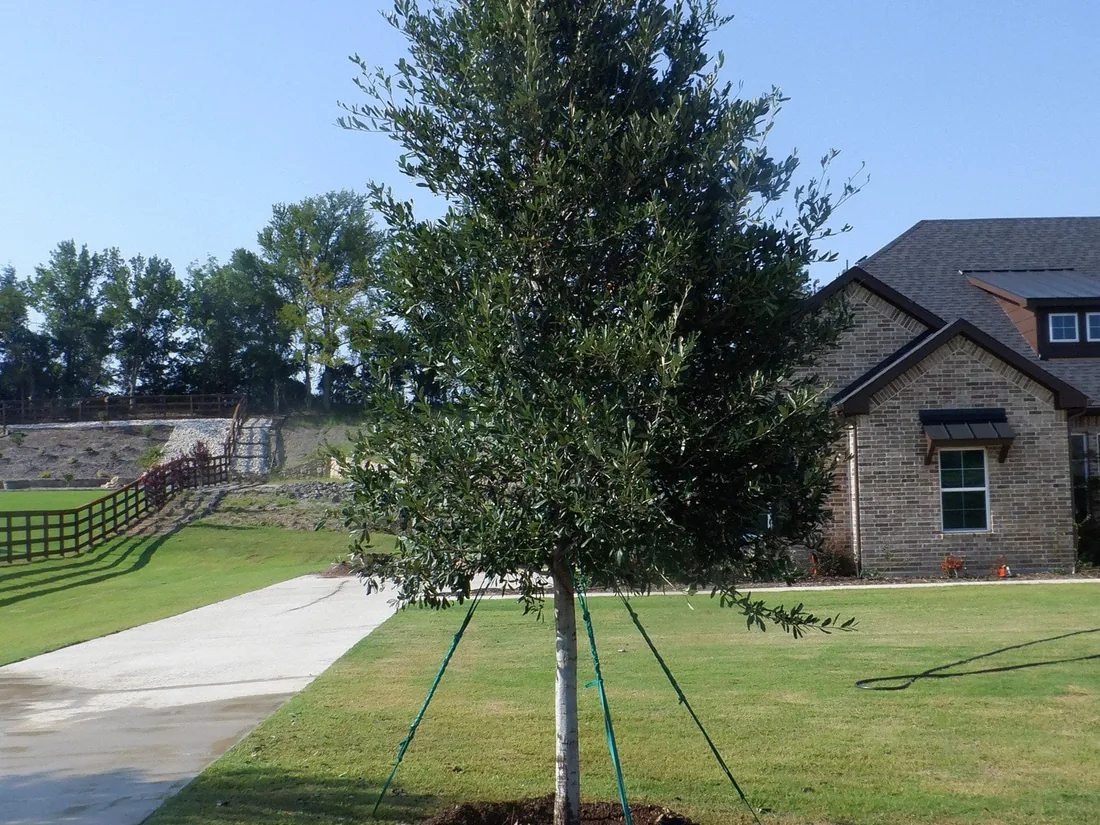
Landscaping for land that just lost its cedar. We plant native trees and shrubs, such as Texas sage and pecan, where the cedar came out.
Learn MoreA few of the questions we hear most around Canyon Lake. If yours is not here, call or text and ask.
Tell us where your land is and what you want done with it. Call or text (512) 745-0804 or use the form, and we will get back to you.
Tell us about the land, the work it needs and where it is. We look at the job and put the quote in writing.