
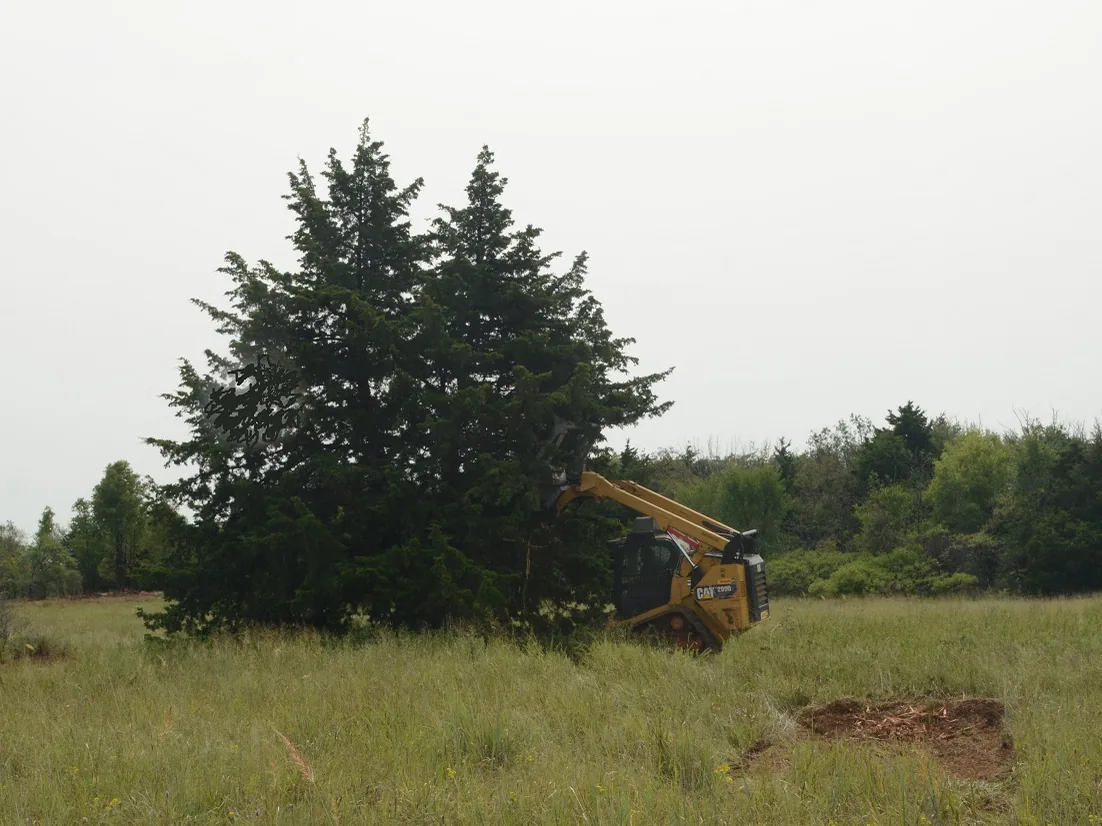
Cedar Mulching
We grind standing cedar into mulch where it grows and leave it on the ground as cover. Live oaks and the trees you want kept stay in place.
Learn More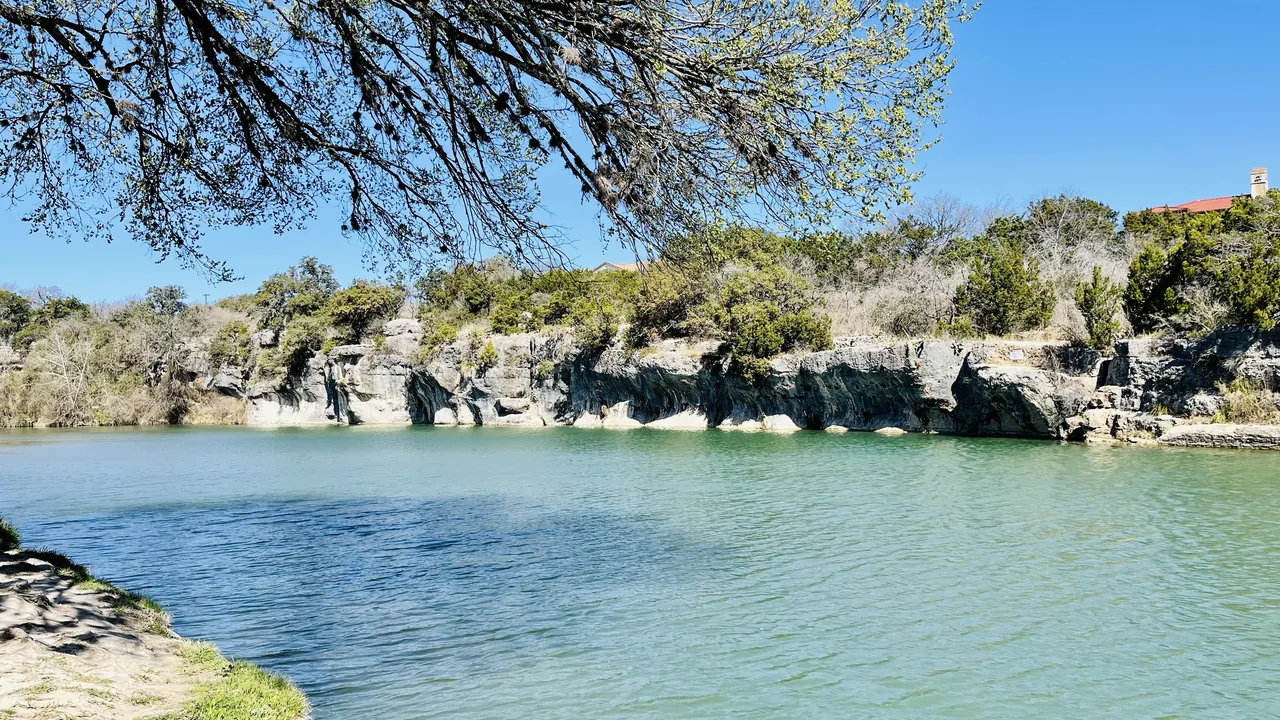
In 2022, Georgetown grew faster than any other city of 50,000 or more in the country, the Census Bureau reported. The Bureau's July 2025 estimate is 106,907 people, up from 67,176 at the 2020 Census. West of I-35, cedar and oak grow on thin, stony soil over limestone. A new home site or a cattle pasture there starts with clearing that growth.
Kudu Land Services serves Austin and Central Texas, and Georgetown is part of our service area. We do forestry mulching in Georgetown on home lots and ranch land around the city. The forestry mulcher we run grinds standing cedar and brush where they stand, and the mulch stays on the ground. Call or text (512) 745-0804, and we look at the job and put the quote in writing.
Tell us about the land, the work it needs and where it is. We look at the job and put the quote in writing.
Georgetown sits on a line between two kinds of ground. West of I-35, the Natural Resources Conservation Service (NRCS) maps shallow, stony clay over limestone. Eckrant soils cover much of it, with bedrock 4 to 20 inches down. East of I-35, the maps add Austin silty clay, a Blackland Prairie soil formed from chalk.
One soil series carries the town's name. The NRCS took its sample profile from rangeland about a mile south of the county courthouse. Georgetown soil runs 20 to 40 inches deep over hard limestone. Its native cover includes live oak and post oak.
On Eckrant ground, the NRCS describes the native cover as tall grass savanna with clumps of live oak. With heavy grazing over time, it says, the land gives way to cedar and Texas persimmon. Our cedar mulching grinds that cedar where it stands, and the cedar mulch stays as ground cover.
Nearly 7 in 10 homes in the city were built in 2000 or later, Census survey figures show. Inside the city limits, Georgetown sets rules for clearing trees. Residential subdivisions platted before February 13, 2007, may remove trees without further city approval. Subdivisions platted after that date, and all other property, need city approval before any clear-cutting or selective clearing.
Chapter 8 of the city's Unified Development Code covers protected and heritage trees. Removing or pruning a heritage tree takes an approved city application. An arborist must sign that application and oversee the work.
The Planning Department can tell you which of these rules reach your lot. With that answer in hand, our land clearing work takes a home site or a pasture down to usable ground. Later, our landscaping and tree planting work can plant pecan or Texas sage where cedar came out. The city's tree page links to the state forest service's tree selector for picking species.
Tall cedar mixed with oak can be nesting woods for the golden-cheeked warbler. The songbird is listed as endangered by Texas and the federal government. It nests only in central Texas. It arrives in March and leaves in July.
Williamson County holds a regional habitat conservation plan that covers the warbler. The Williamson County Conservation Foundation answers questions about the plan. If your land has tall cedar and oak in a ravine or canyon, ask the foundation before clearing.
Most of Georgetown sits over the Edwards Aquifer Recharge Zone, the city's stormwater program says. Before building on that zone, the state wants a plan approved by the Texas Commission on Environmental Quality (TCEQ). The state rule's own definition leaves out clearing of vegetation without soil disturbance. TCEQ's Austin Regional Office answers how that fits a given lot.
On acreage, a new fence starts with brush clearing along the line. Our fence installation work does that first, then puts up perimeter and pasture fences. You choose the fence type, such as barbed wire or pipe.
At Lake Georgetown, July is the driest month and August highs average near 97 degrees, NOAA normals show. The Georgetown Fire Department points residents to the national Firewise Communities program. On wooded lots, wildfire fuel reduction thins cedar and brush around homes and barns. We mulch that fuel in place.
Communities and areas we serve around Georgetown: Downtown Square, Sun City, Serenada, Lake Georgetown, Williams Drive, Leander Road, Santa Rita Ranch, Liberty Hill, Andice, Weir.
Georgetown ZIP codes served: 78626, 78628, 78633.
Georgetown is part of our service area. We look at the job first, then put the quote in writing.
(512) 745-0804 We grind standing cedar into mulch where it grows and leave it on the ground as cover. Live oaks and the trees you want kept stay in place.
Learn More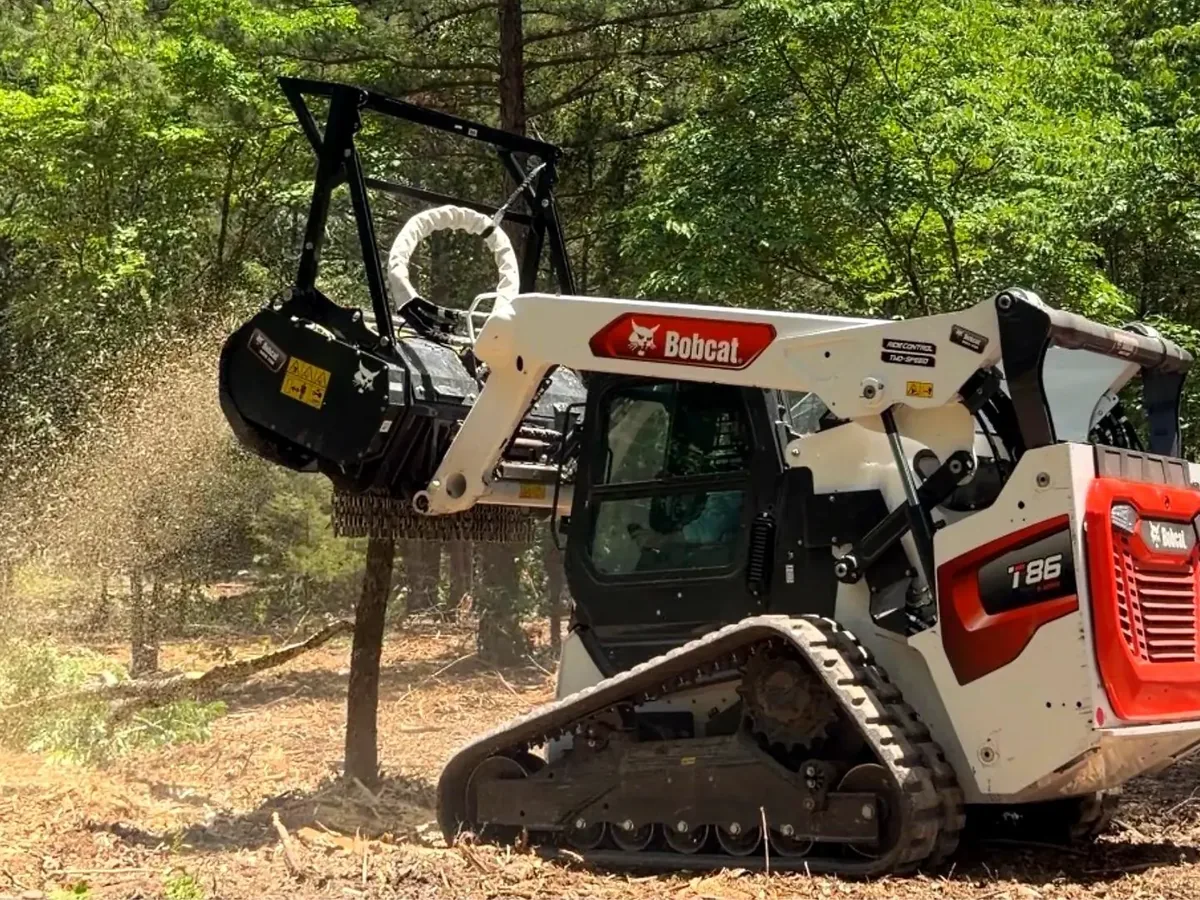
Land clearing for a home site or new pasture on rural land. We mulch the trees where they stand and keep the ones you choose.
Learn More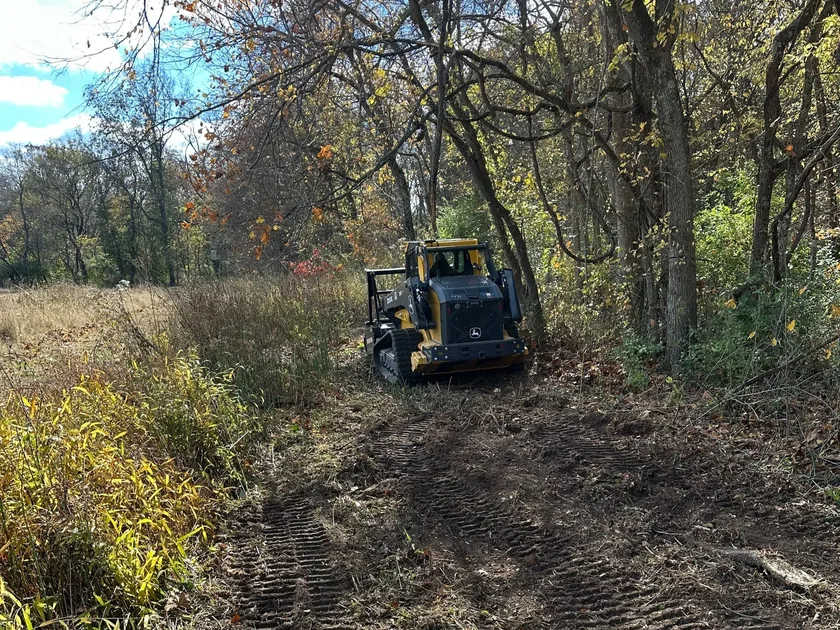
We mulch thick underbrush in place and open up overgrown fence lines. The trees you want to keep stay standing.
Learn More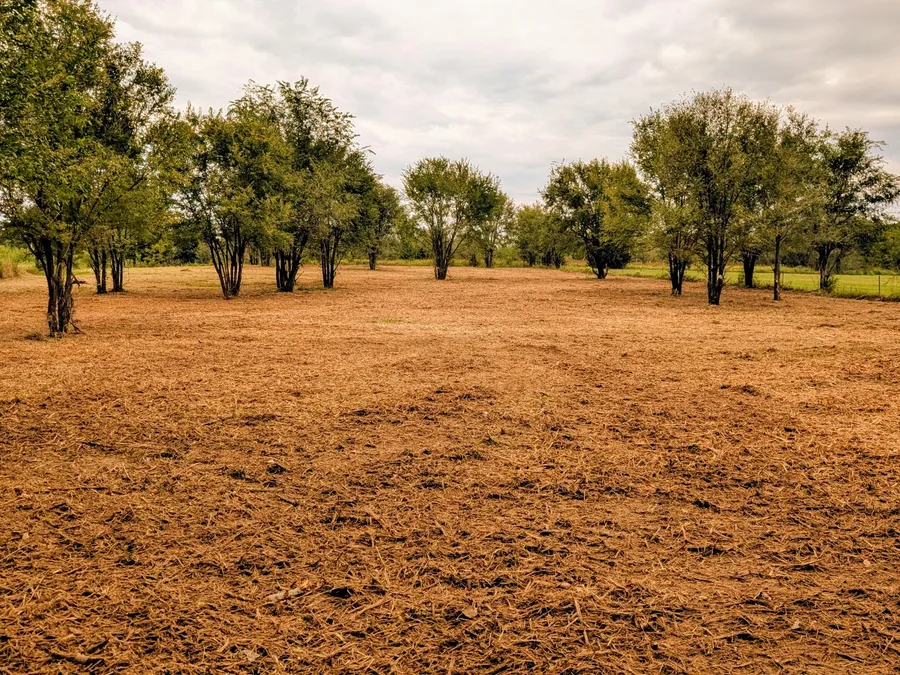
We mulch cedar thickets and underbrush to open defensible space around homes and fuel breaks on acreage. The mulch stays on the ground, and the trees you choose stay standing.
Learn More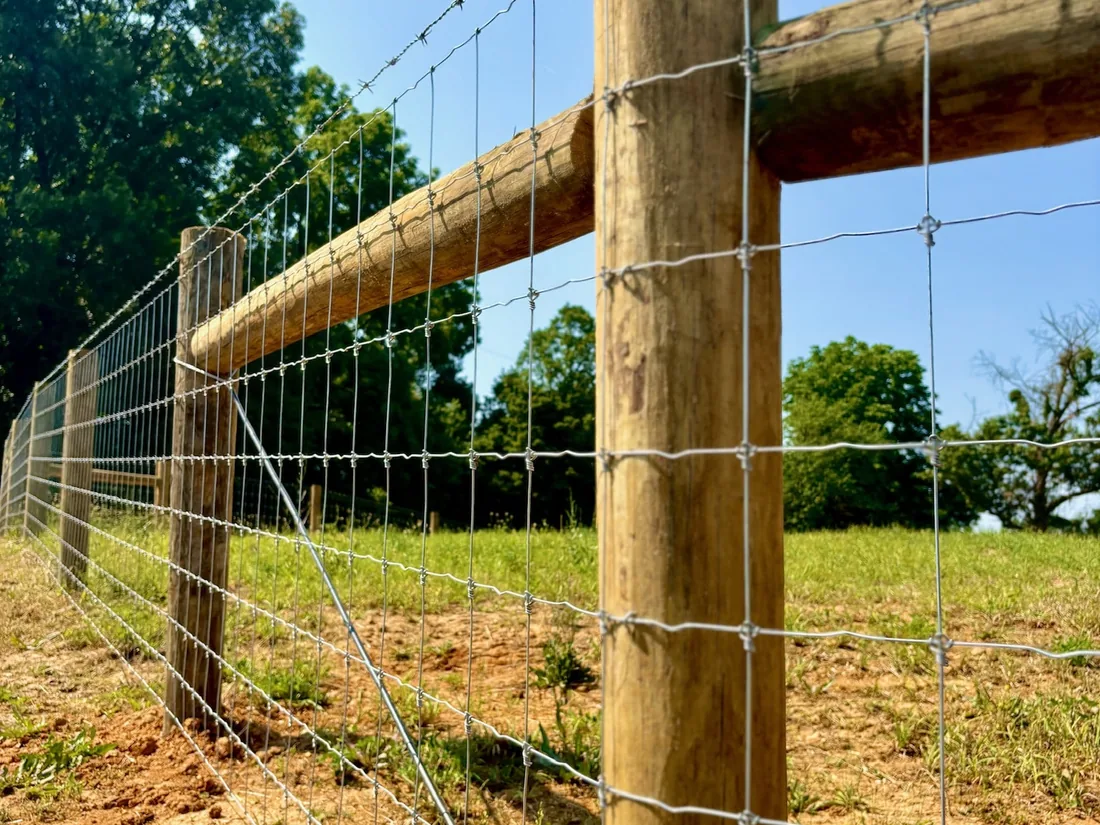
Fence installation for acreage and ranch land, often right after the clearing. We clear the fence line first, then put the fence up.
Learn More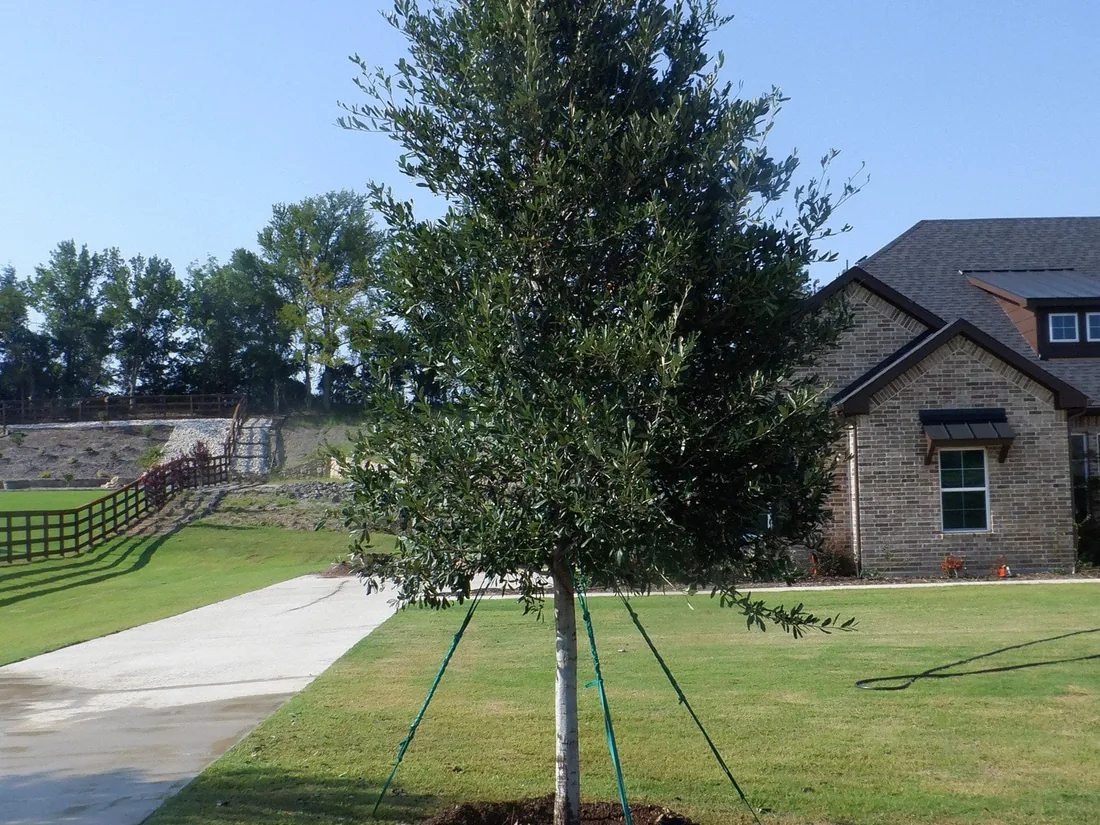
Landscaping for land that just lost its cedar. We plant native trees and shrubs, such as Texas sage and pecan, where the cedar came out.
Learn MoreA few of the questions we hear most around Georgetown. If yours is not here, call or text and ask.
Tell us where your land is and what you want done with it. Call or text (512) 745-0804 or use the form, and we will get back to you.
Tell us about the land, the work it needs and where it is. We look at the job and put the quote in writing.