
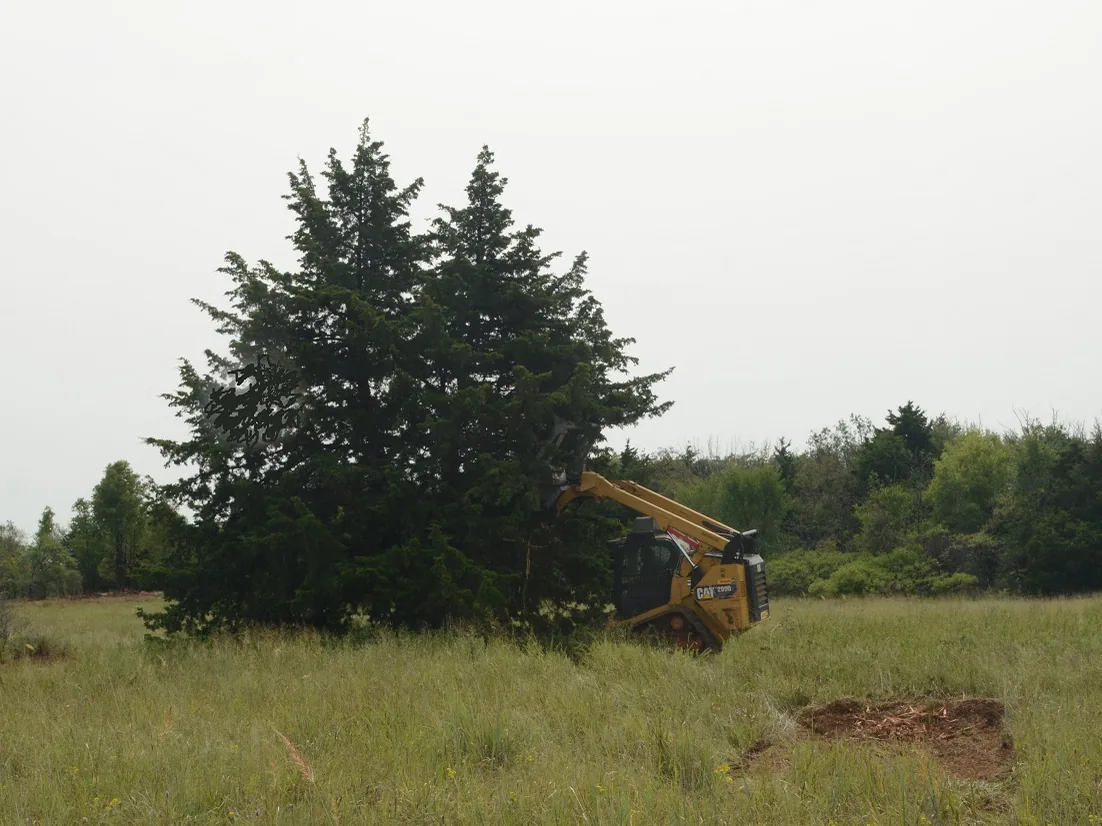
Cedar Mulching
We grind standing cedar into mulch where it grows and leave it on the ground as cover. Live oaks and the trees you want kept stay in place.
Learn More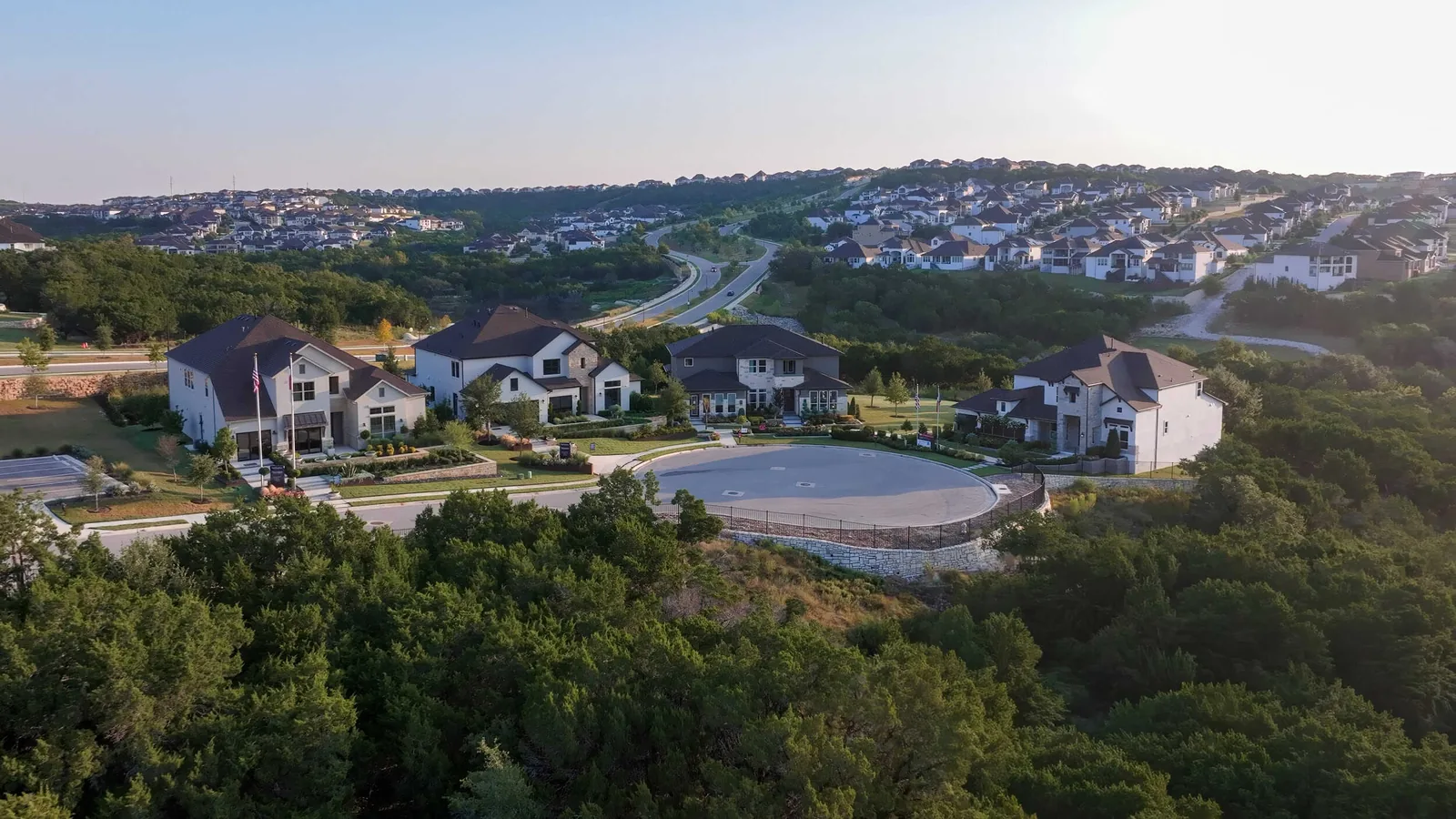
Leander sits where fast growth meets cedar country. Ashe juniper and brush still cover many tracts on the hills toward Lake Travis. Under the cedar, the soil is often less than a foot of stony clay over limestone. Owners who want a home site or open pasture deal with that cedar first.
Kudu Land Services serves Austin and Central Texas, and Leander is part of our service area. We run a forestry mulcher on a compact track loader, and it grinds standing cedar and brush in place. That is how forestry mulching across the Austin area works, and the mulch stays on the ground. Call or text (512) 745-0804, and we look at the job and put the quote in writing.
Tell us about the land, the work it needs and where it is. We look at the job and put the quote in writing.
Cedar has a long history here. Leander started in 1882 beside the Austin and Northwestern Railroad, a mile east of the older settlement of Bagdad. The Handbook of Texas says cedar fence posts were sold here and shipped around the state.
NRCS soil maps show Eckrant cobbly clay under parts of Leander, including Benbrook Ranch and Mason Hills. In that soil, hard limestone often sits less than a foot down. The NRCS says the natural cover on it is tall grass with groves of live oak. Under heavy grazing, it says, that cover gives way to ashe juniper and brush.
That is the ground where cedar mulching fits. The mulcher grinds a standing cedar in place, and the cedar mulch stays on the thin soil as ground cover.
The Census numbers show how fast Leander has grown. The 2020 Census counted 59,202 people, and the Bureau's July 2025 estimate is 91,132. The Bureau ranked Leander fourth in the nation for growth in 2022 among cities of 50,000 or more. Part of the city, including Travisso, sits across the line in Travis County.
Census survey data show about 63 percent of Leander's homes were built in 2010 or later. More than 80 percent are single-family detached houses. The 183A Toll Road now runs through the city to north of SH 29. Its newest stretch, north from Hero Way, opened in early 2025 along what the Mobility Authority calls a growing corridor.
Our land clearing work here is for one property at a time, such as a house lot or a pasture. Selective clearing keeps the trees you want, and the rest is mulched in place.
Inside city limits, check with the City of Leander before clearing starts. Its Development Services Department publishes a minor site development packet for brush clearing. It also has a tree removal application, and the city's rules protect heritage trees as land develops. The department answers which of these, if any, a project needs.
Texas law also limits city tree fees. A city may not charge a tree mitigation fee for a tree under 10 inches across at your own home. The width is measured on the trunk, 4.5 feet above the ground. A city also may not block or charge a fee for removing a dead or diseased tree.
West of town, the Balcones Canyonlands National Wildlife Refuge sits just north of Lake Travis. It dates to 1992 and protects nesting grounds of the endangered golden-cheeked warbler. Old ashe juniper and oak woods there hold some of the best habitat for that bird. For a tract with big old cedar, the U.S. Fish and Wildlife Service office in Austin takes habitat questions.
Rock shapes the work too. Around Crystal Falls and Travisso, NRCS maps show steep slopes with bare rock outcrop. On flatter ground, such as Sarita Valley, they show deep Fairlie clay instead. The North and South Forks of Brushy Creek also cross the city.
Where limestone sits close to the surface, fence posts often go into rock. Texas law requires a call to 811 at least two business days before powered digging 16 inches or deeper. On cleared acreage, our fence installation work starts with the fence line cleared first.
Communities and areas we serve around Leander: Crystal Falls, Travisso, Bryson, Mason Hills, Benbrook Ranch, Sarita Valley, Larkspur, Palmera Ridge, Devine Lake Park, Bagdad Road, San Gabriel Parkway.
Leander ZIP codes served: 78641, 78645, 78646.
Leander is part of our service area. We look at the job first, then put the quote in writing.
(512) 745-0804 We grind standing cedar into mulch where it grows and leave it on the ground as cover. Live oaks and the trees you want kept stay in place.
Learn More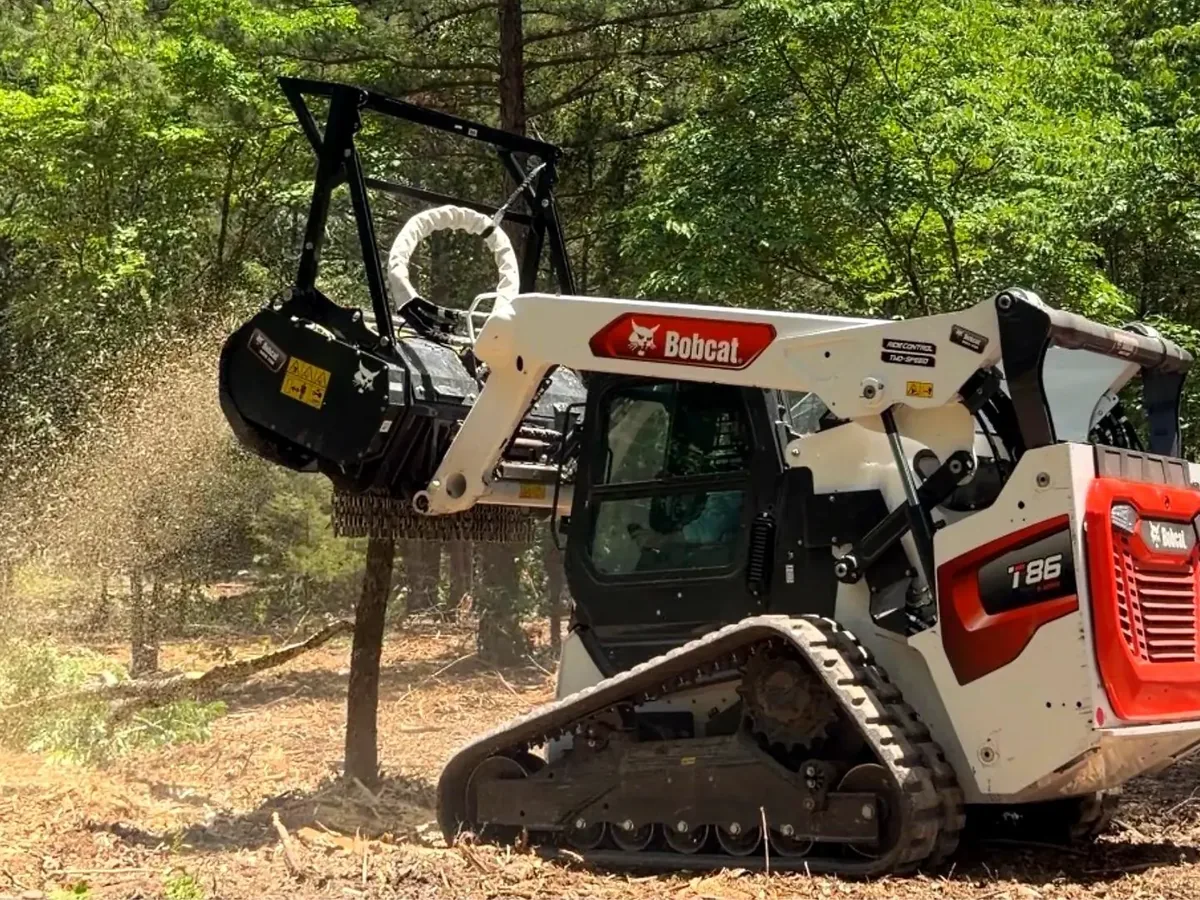
Land clearing for a home site or new pasture on rural land. We mulch the trees where they stand and keep the ones you choose.
Learn More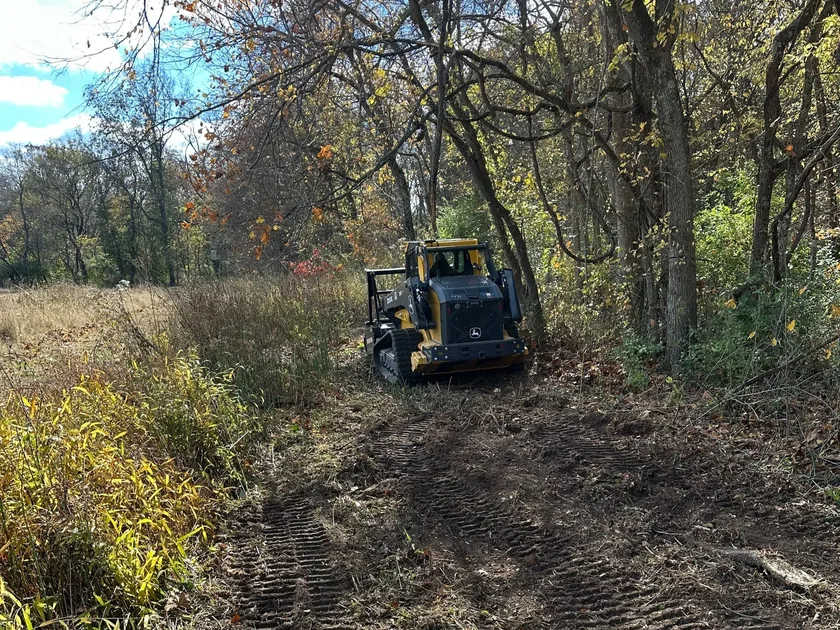
We mulch thick underbrush in place and open up overgrown fence lines. The trees you want to keep stay standing.
Learn More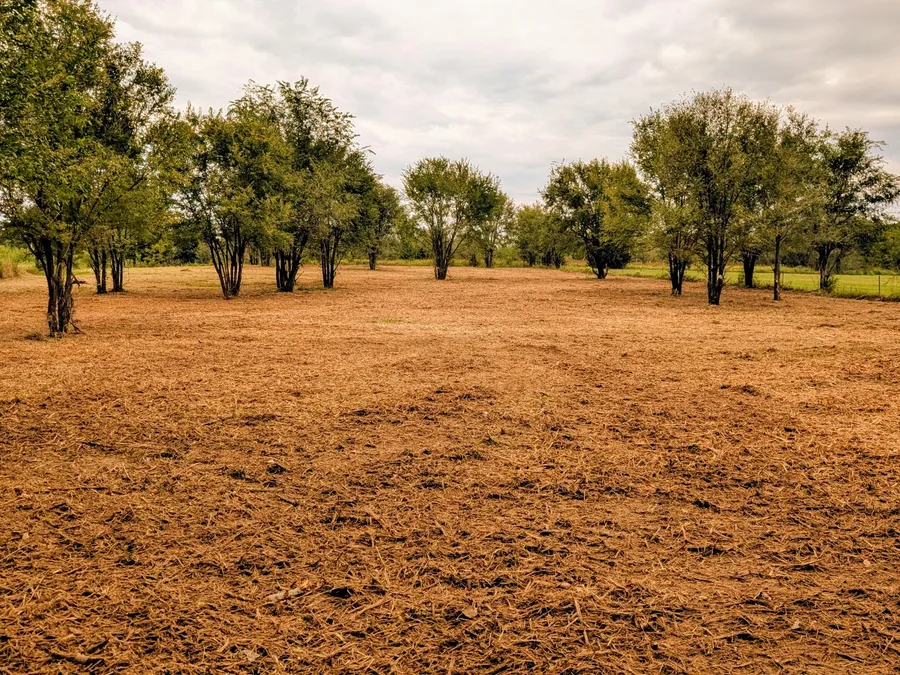
We mulch cedar thickets and underbrush to open defensible space around homes and fuel breaks on acreage. The mulch stays on the ground, and the trees you choose stay standing.
Learn More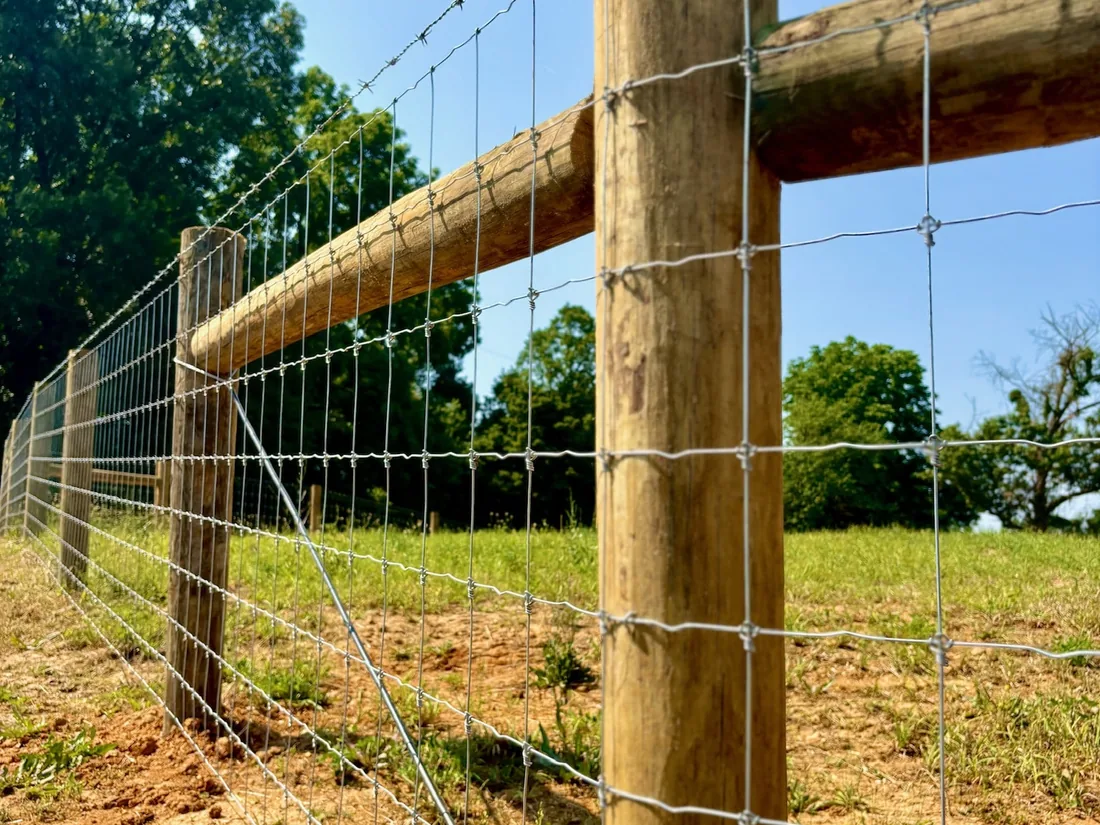
Fence installation for acreage and ranch land, often right after the clearing. We clear the fence line first, then put the fence up.
Learn More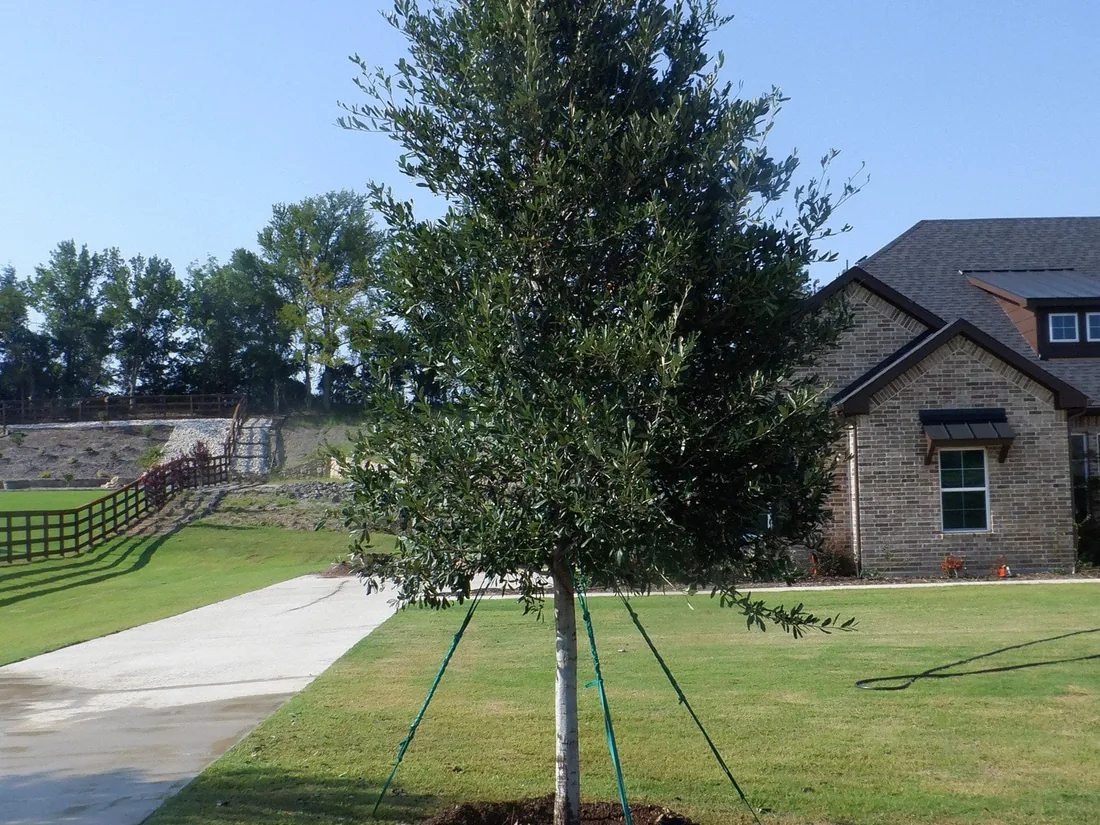
Landscaping for land that just lost its cedar. We plant native trees and shrubs, such as Texas sage and pecan, where the cedar came out.
Learn MoreA few of the questions we hear most around Leander. If yours is not here, call or text and ask.
Tell us where your land is and what you want done with it. Call or text (512) 745-0804 or use the form, and we will get back to you.
Tell us about the land, the work it needs and where it is. We look at the job and put the quote in writing.