Fence Installation
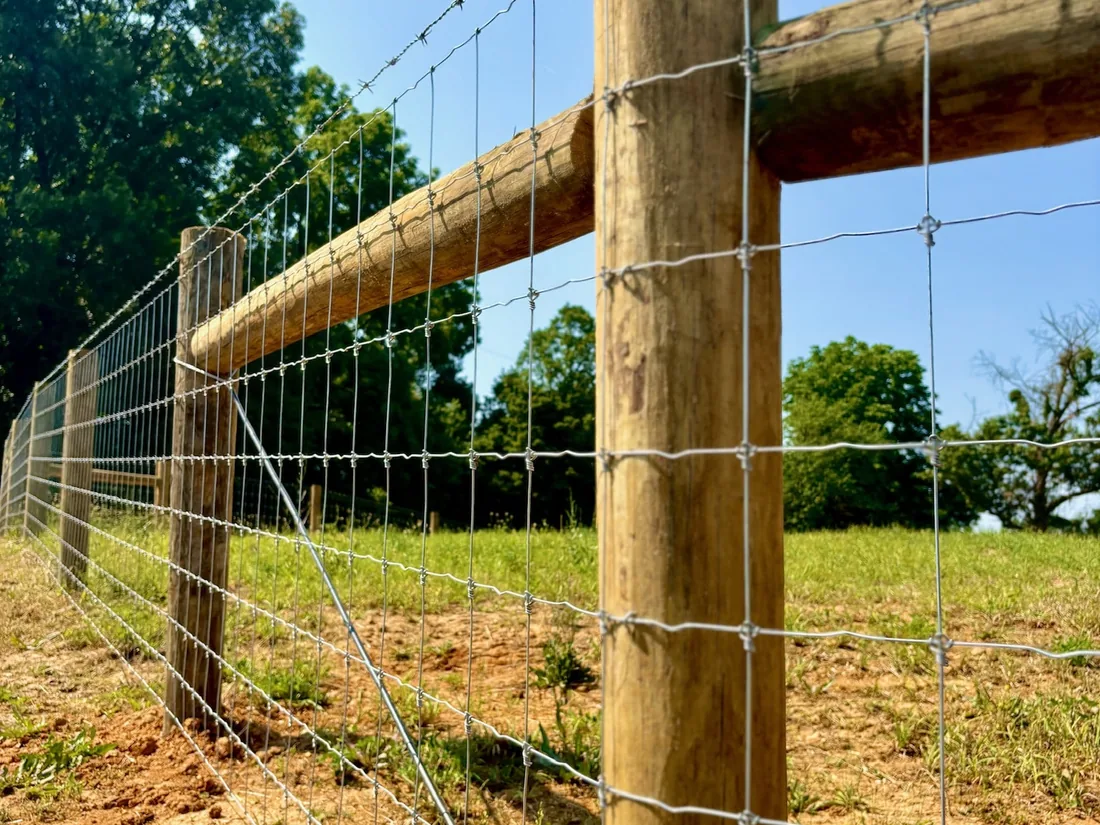
Fence installation for acreage and ranch land, often right after the clearing. We clear the fence line first, then put the fence up.
Learn More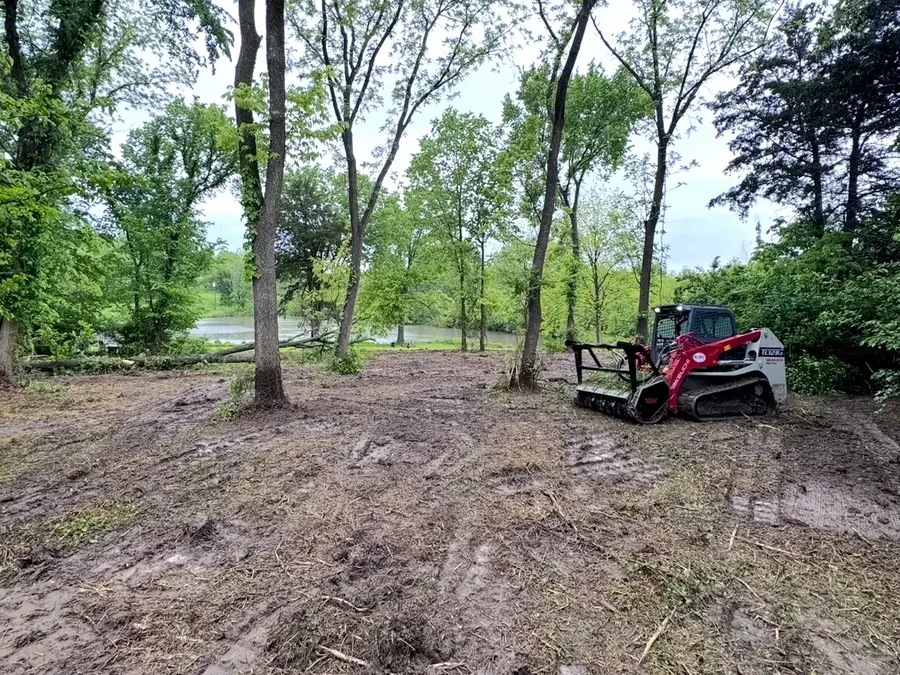
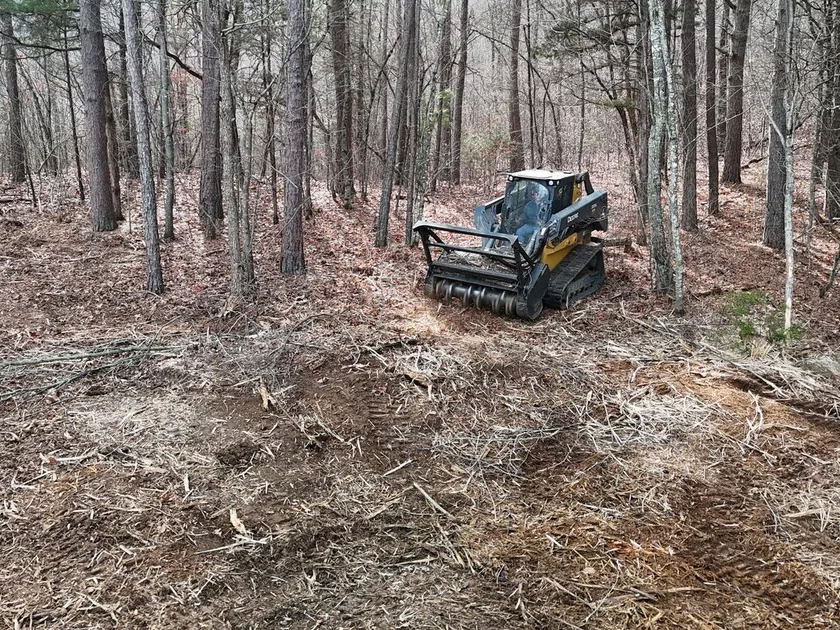
Wildfire fuel reduction thins the cedar and brush that can carry a fire toward your home. We mulch cedar thickets and underbrush with a forestry mulcher on a compact track loader. The machine grinds standing trees where they grow, and the mulch stays on the ground. Wildfire risk reduction is one of the main uses of forestry mulching.
Kudu Land Services does this work on wooded lots and acreage across Austin and Central Texas. We clear defensible space around homes and barns and cut fuel breaks along property lines. Fuel is the part of wildfire mitigation a forestry mulcher can change. Call or text (512) 745-0804, and we look at the job and put the quote in writing.
Tell us about the land, the work it needs and where it is. We look at the job and put the quote in writing.
The state forest service defines defensible space as an area at least 30 feet around a building. Inside it, the fuel that would burn has been cleared away. The agency says this space allows for low intensity, slow burning conditions in a wildfire.
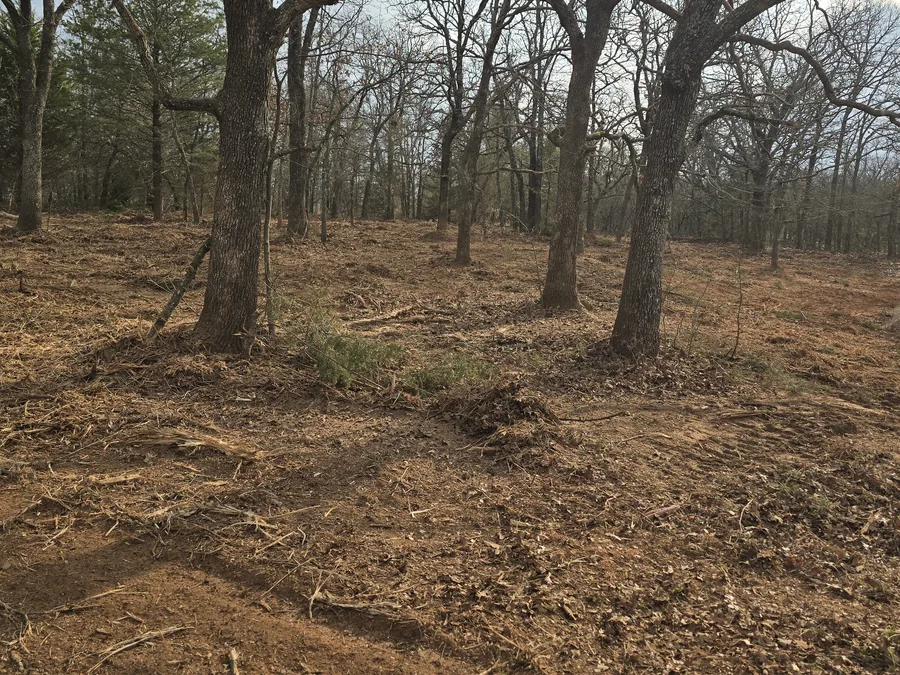
The agency's fuel reduction grant gives priority to work within 100 feet of a home or other building. Treatments under that grant may reach 300 feet out. We mulch the cedar and underbrush inside that space, around the house and the barn. The live oaks you want kept stay standing, with more room between them.
In the Hill Country, cedar means Ashe juniper. The state forest service notes that juniper canopies burn readily after long dry spells. Those canopies reach almost to the ground, so a grass fire can climb right into them.
A cedar thicket is a ladder fuel: low growth that carries a ground fire up into the tree crowns. On wooded Hill Country lots, cedar and brush often fill the space under the live oaks. We mulch that layer and leave the oaks.
The agency rates the oak savannah along and west of I-35 as a high risk fuel type. It also notes that juniper growing close together can carry fire from crown to crown in high wind. Clearing cedar across a whole property is its own job, and our cedar mulching page covers it.
The state forest service describes a fuel break as a removed section of vegetation that can lower a fire's intensity. It can also slow an incoming wildfire. On acreage, fuel breaks and firebreaks often run along property lines and ranch roads.
Fire risk in Central Texas rises in dry spells. The forest service counts the September 2011 Bastrop Complex fire as the state's most destructive wildfire by homes lost. It destroyed more than 1,600 homes in the Lost Pines area east of Austin.
We mulch the strip down and leave the mulch on the ground. An overgrown fence line may need brush clearing before the break goes in. The forest service adds that a fuel break can benefit native plants and wildlife.
Call or text for a written quote. We work about 50 miles around Dripping Springs across Central Texas.
(512) 745-0804From the first call or text to the finished work, here is how it goes.
Call or text (512) 745-0804. Tell us where the land is and what you want it to look like when we finish.
We look at how thick the growth is and how the machine will reach it. You tell us which trees stay.
We put the quote in writing, with the work spelled out. You see the price before the machine starts.
The forestry mulcher grinds the cedar and brush where they stand. It works around the trees you chose to keep.
You get back open land with the mulch spread over it. The trees you kept stand clear of the brush.
Common questions about wildfire fuel reduction around Austin and the Texas Hill Country. If yours is not here, call or text and ask.
Fence installation for acreage and ranch land, often right after the clearing. We clear the fence line first, then put the fence up.
Learn More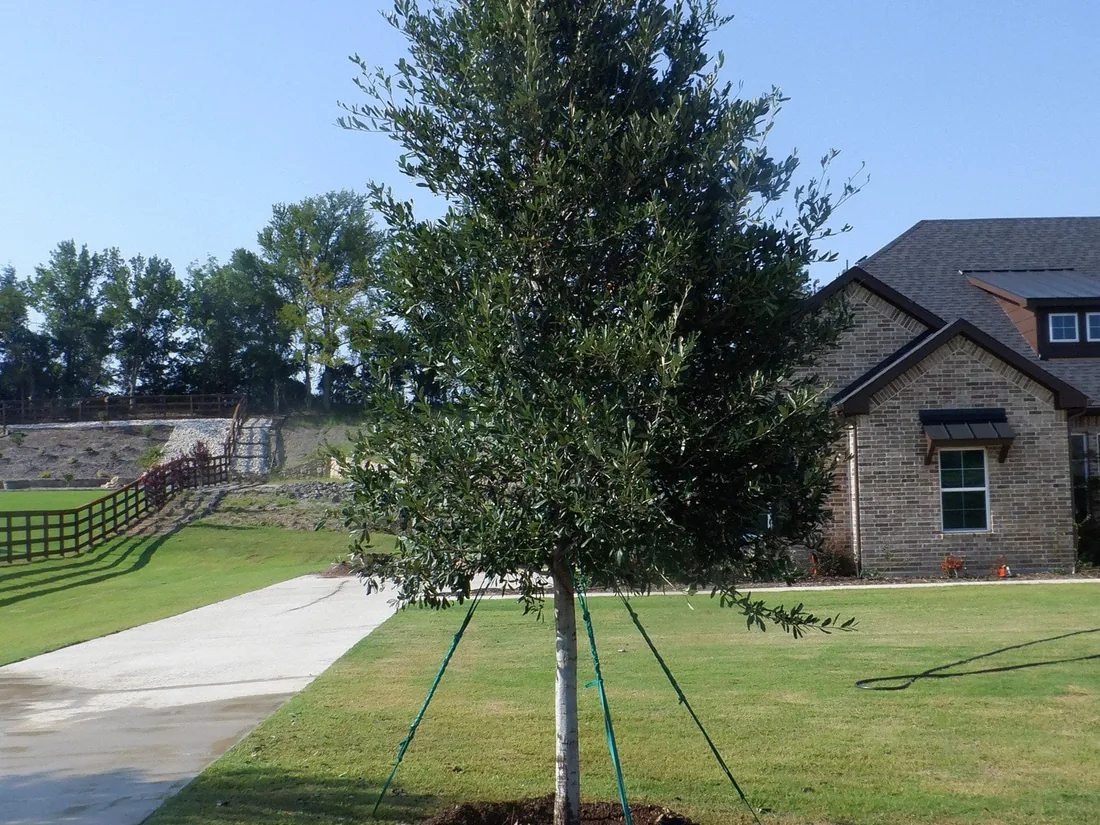
Landscaping for land that just lost its cedar. We plant native trees and shrubs, such as Texas sage and pecan, where the cedar came out.
Learn More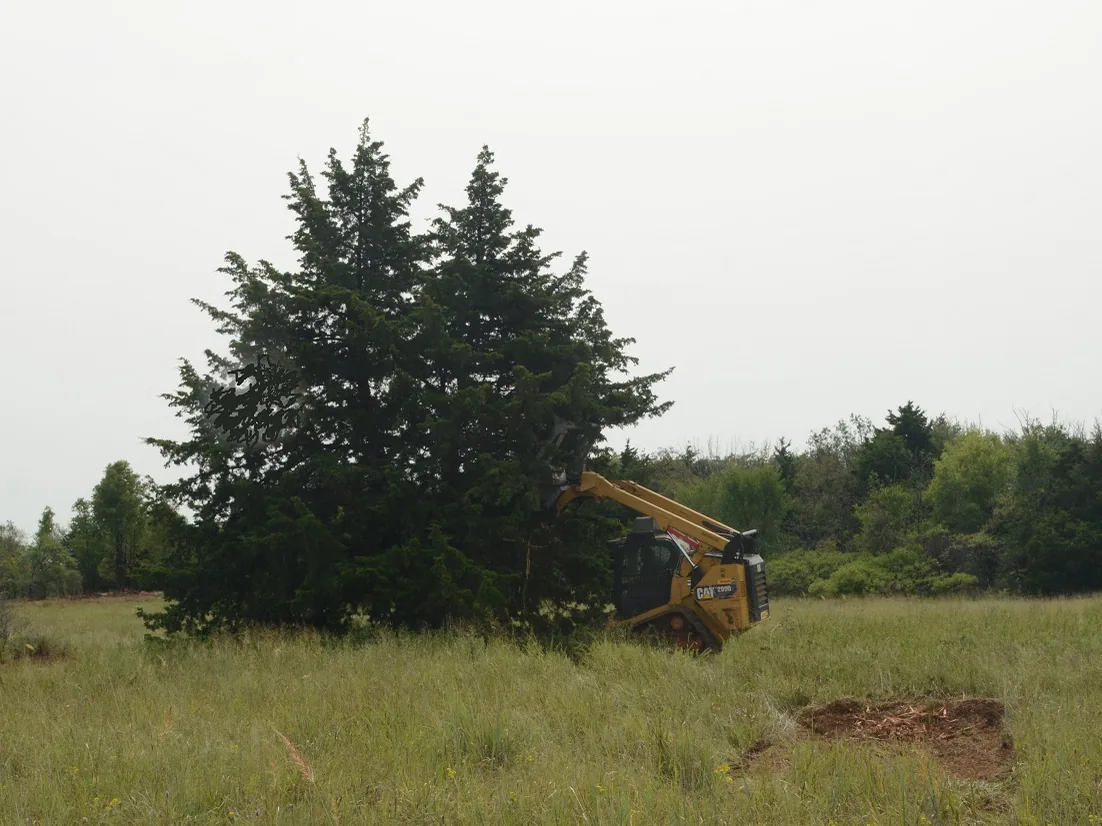
We grind standing cedar into mulch where it grows and leave it on the ground as cover. Live oaks and the trees you want kept stay in place.
Learn MoreTrees and brush are ground up in place. The mulch covers the soil right where they grew.
Our service area covers Austin and the towns around it. Lakeway, Leander, Kyle, Canyon Lake and Marble Falls are all part of it.
Once the land is open, we can fence a new pasture. We can also plant native trees and shrubs, such as pecan or Texas sage, where the cedar came out.
We look at the job before we price it. Then the quote comes to you in writing.
Tell us where your land is and what you want done with it. Call or text (512) 745-0804 or use the form, and we will get back to you.
Tell us about the land, the work it needs and where it is. We look at the job and put the quote in writing.