Landscaping
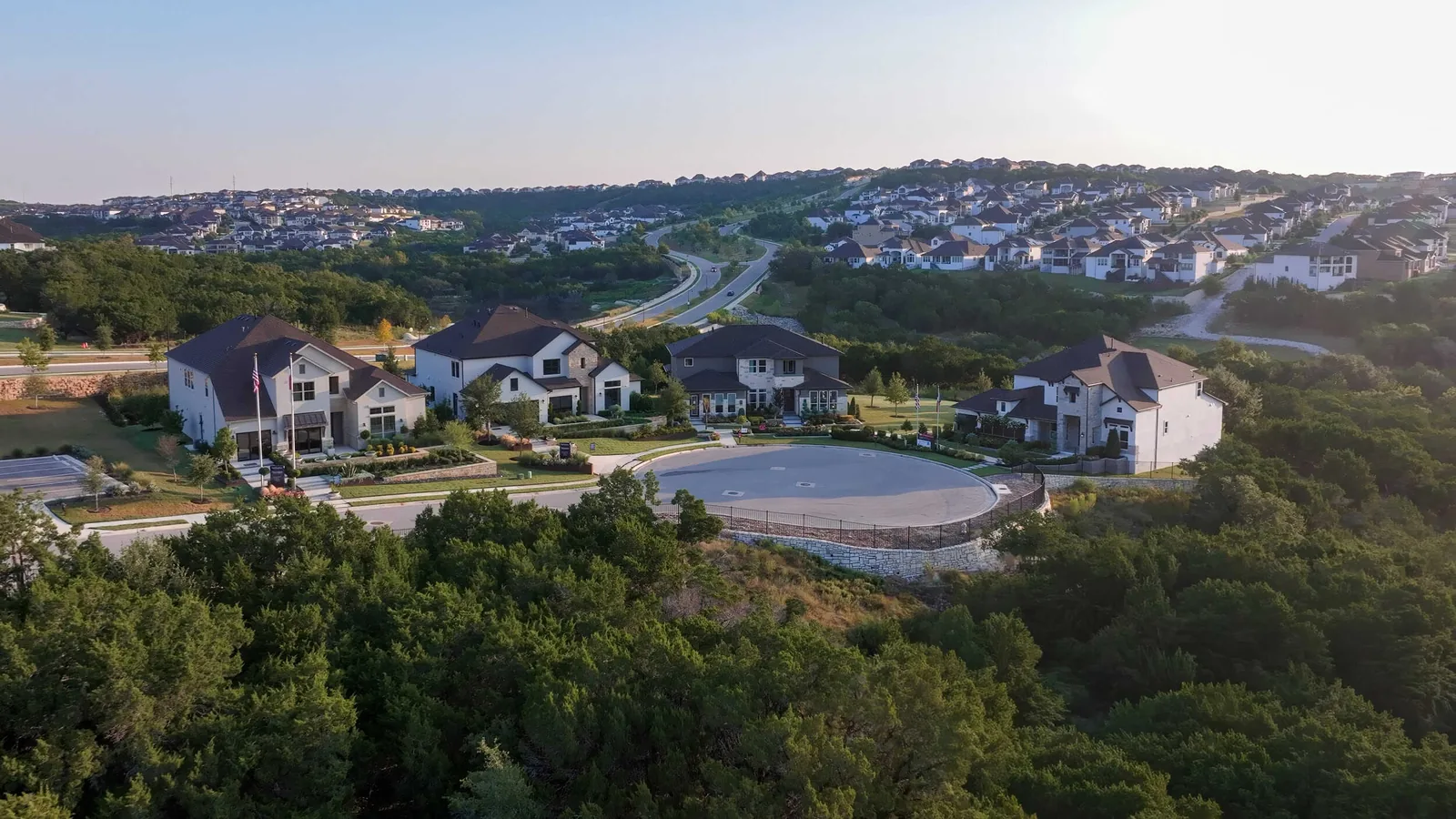
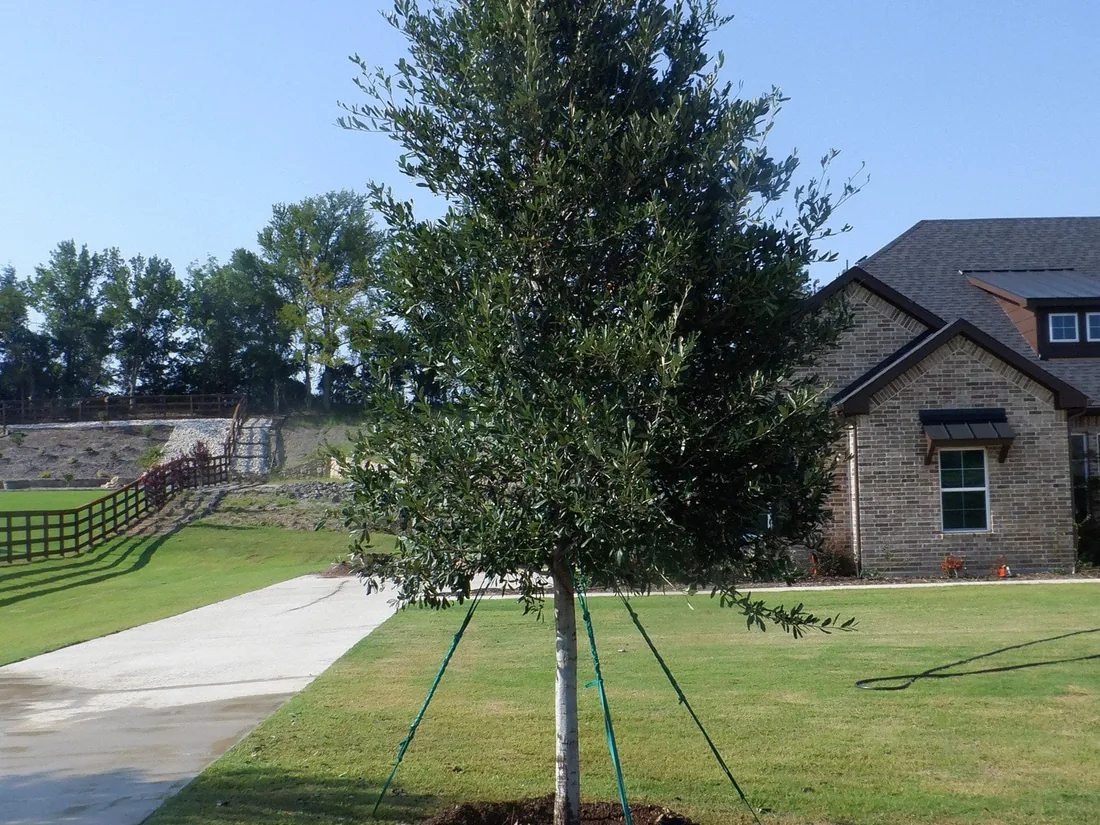
Landscaping for land that just lost its cedar. We plant native trees and shrubs, such as Texas sage and pecan, where the cedar came out.
Learn More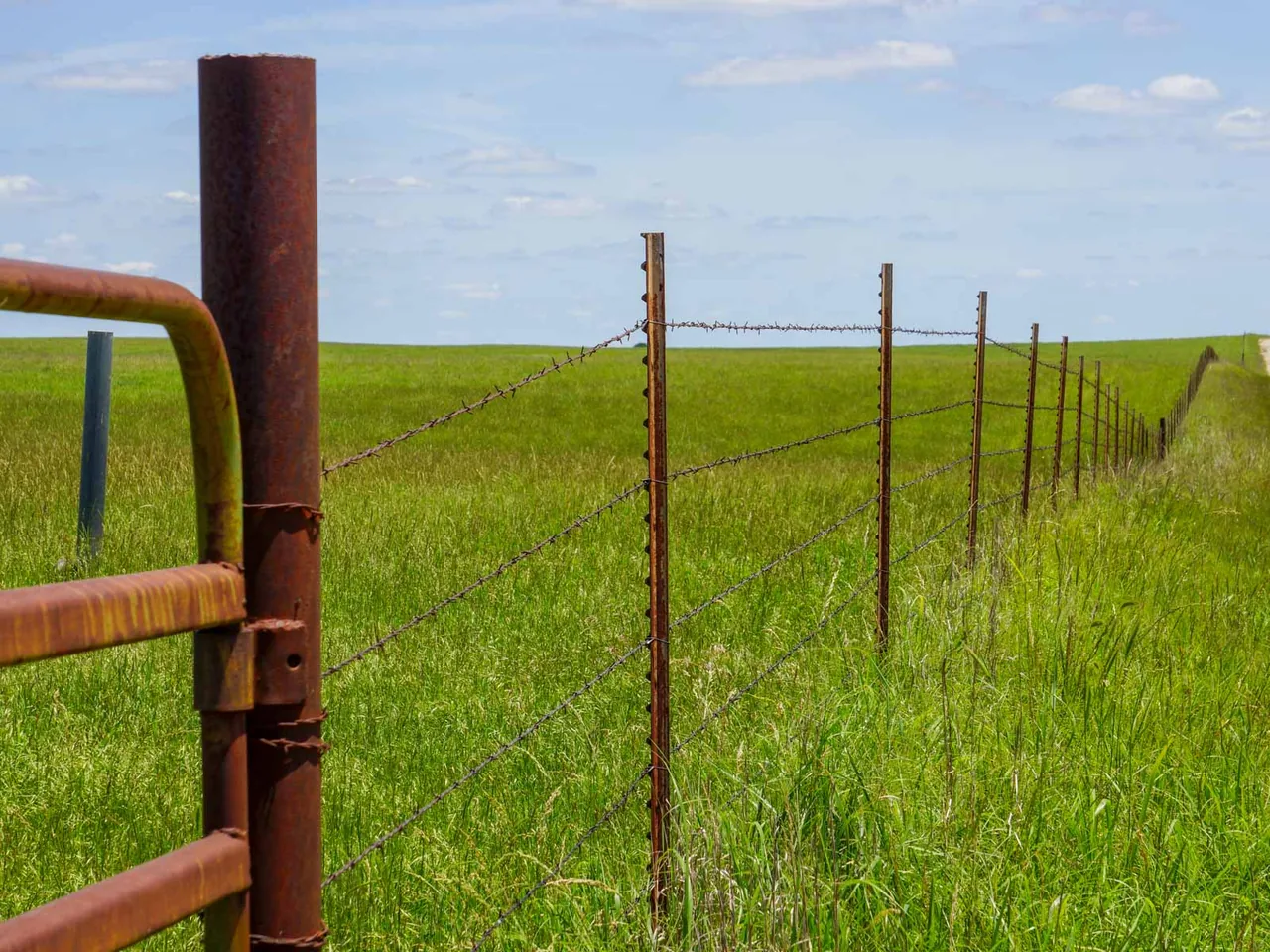
Fence installation on wooded acreage starts before the first post goes in. On Hill Country land west of Austin, cedar and brush often stand right where the fence needs to run. Kudu Land Services opens that line with forestry mulching, then puts up the fence. That order puts every post and every strand of wire on open ground.
Fencing often follows land clearing for pasture. A rancher opens ground for hay or cattle, then needs a perimeter fence and cross fences to work it. We can put up the fence on the same ground we clear. Call or text (512) 745-0804, and we look at the job and put the quote in writing.
Tell us about the land, the work it needs and where it is. We look at the job and put the quote in writing.
A fence needs open ground for every post and a clear path for the wire. Cedar and brush in the way slow both jobs. An extension fencing guide lists removing trees and brush as the step before the fence line is laid out.
We run a forestry mulcher on a compact track loader down the line first. It grinds standing cedar and brush in place, and the mulch stays on the ground. Brush clearing along the fence line leaves an open strip for posts and wire.
The open strip helps after the fence is up too. You can drive the line to check the wire. The same extension guide advises keeping weeds and brush cleared from the fence line.
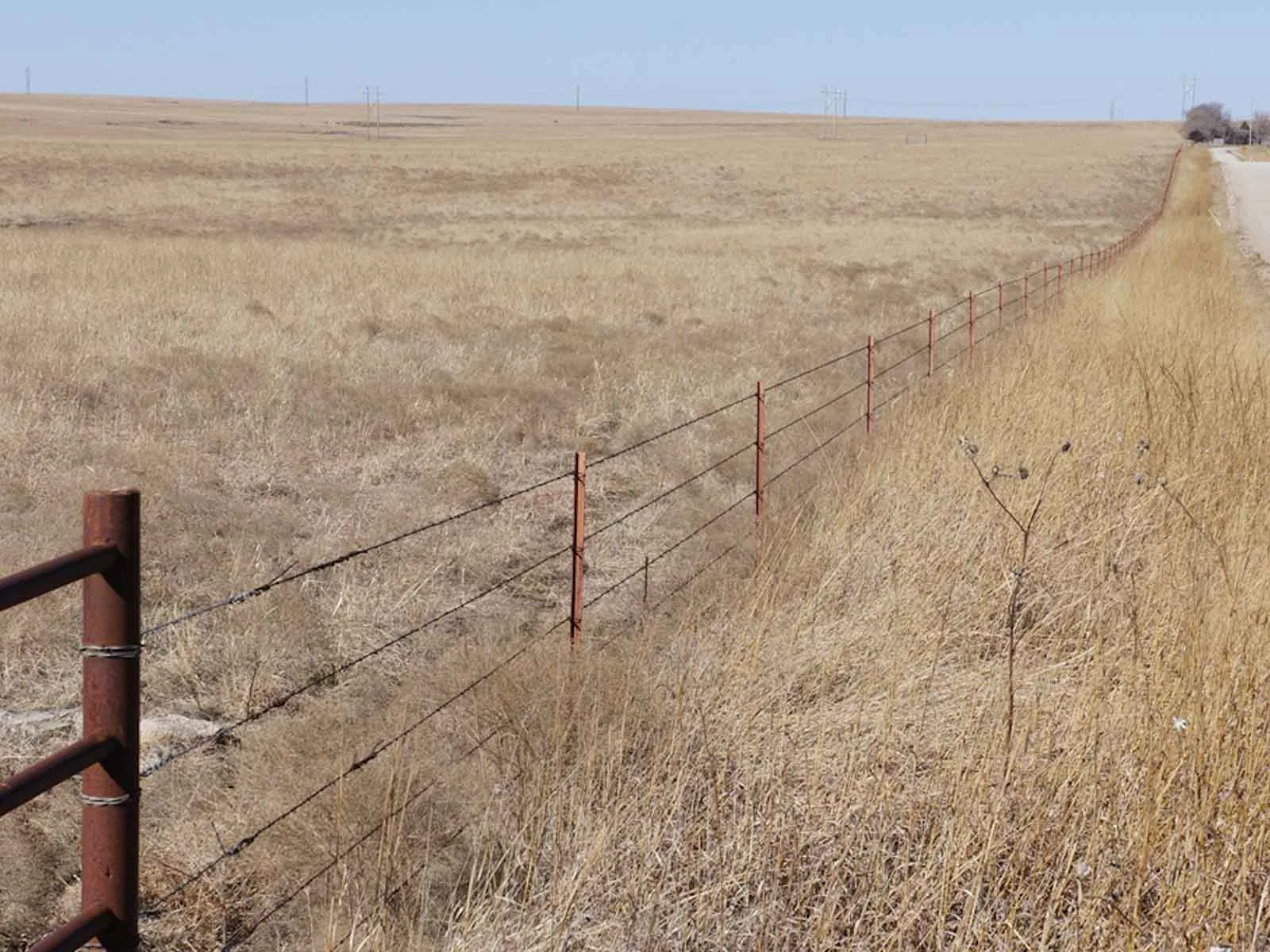
The fence type is your call, and it starts with the animals the fence has to hold. One extension fencing guide notes that cattle tend to go over a fence, while sheep try to go under. A standard barbed wire fence runs three to five strands, per that guide.
Woven wire, also called net wire, has upright stays between its line wires. On woven wire made for small animals such as sheep and goats, the stays sit closer together.
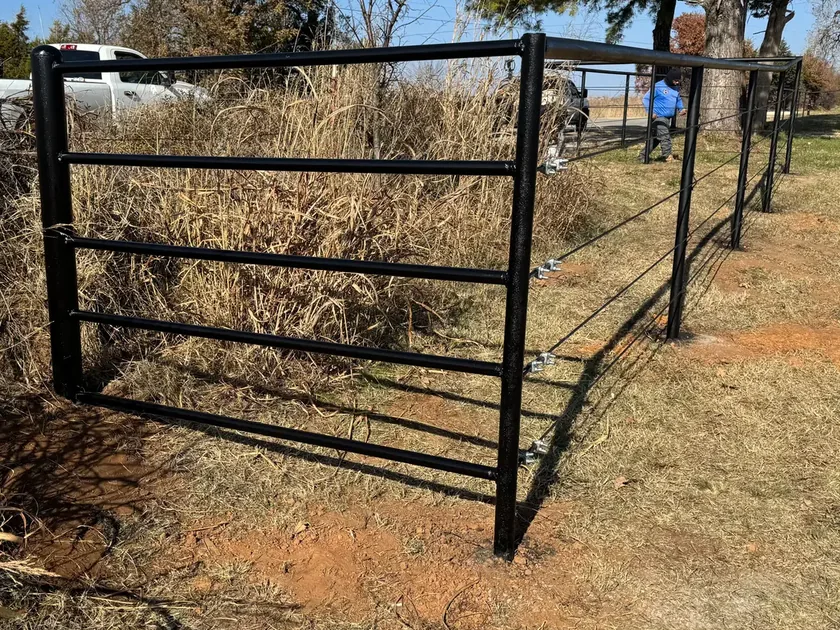
Board fences are popular on horse farms, and an extension horse guide calls them highly visible and relatively safe. Pipe fence is built from steel pipe posts and rails. Game fence is a tall woven wire fence meant to hold deer or exotic game. We talk through these options with you when we look at the job.
Much of the Hill Country sits on thin soil over limestone. Federal NRCS soil descriptions for common soils here put limestone bedrock 4 to 20 inches down. On that ground, a post hole often hits rock before it reaches full depth.
Out on the Blackland Prairie east of Austin, the soil runs deep. NRCS describes clay there with high shrink-swell potential and dry-season cracks up to 4 inches wide.
Both kinds of ground change how the posts go in, and both change the price. Corner posts carry the pull of the wire, so each line that meets a corner gets a brace assembly. One extension guide says the pull on a corner may reach 3,000 pounds when the wire is first stretched.
Call or text for a written quote. We work about 50 miles around Dripping Springs across Central Texas.
(512) 745-0804From the first call or text to the finished work, here is how it goes.
Call or text (512) 745-0804. Tell us where the land is and what you want it to look like when we finish.
We look at how thick the growth is and how the machine will reach it. You tell us which trees stay.
We put the quote in writing, with the work spelled out. You see the price before the machine starts.
The forestry mulcher grinds the cedar and brush where they stand. It works around the trees you chose to keep.
You get back open land with the mulch spread over it. The trees you kept stand clear of the brush.
Common questions about fence installation around Austin and the Texas Hill Country. If yours is not here, call or text and ask.
Landscaping for land that just lost its cedar. We plant native trees and shrubs, such as Texas sage and pecan, where the cedar came out.
Learn More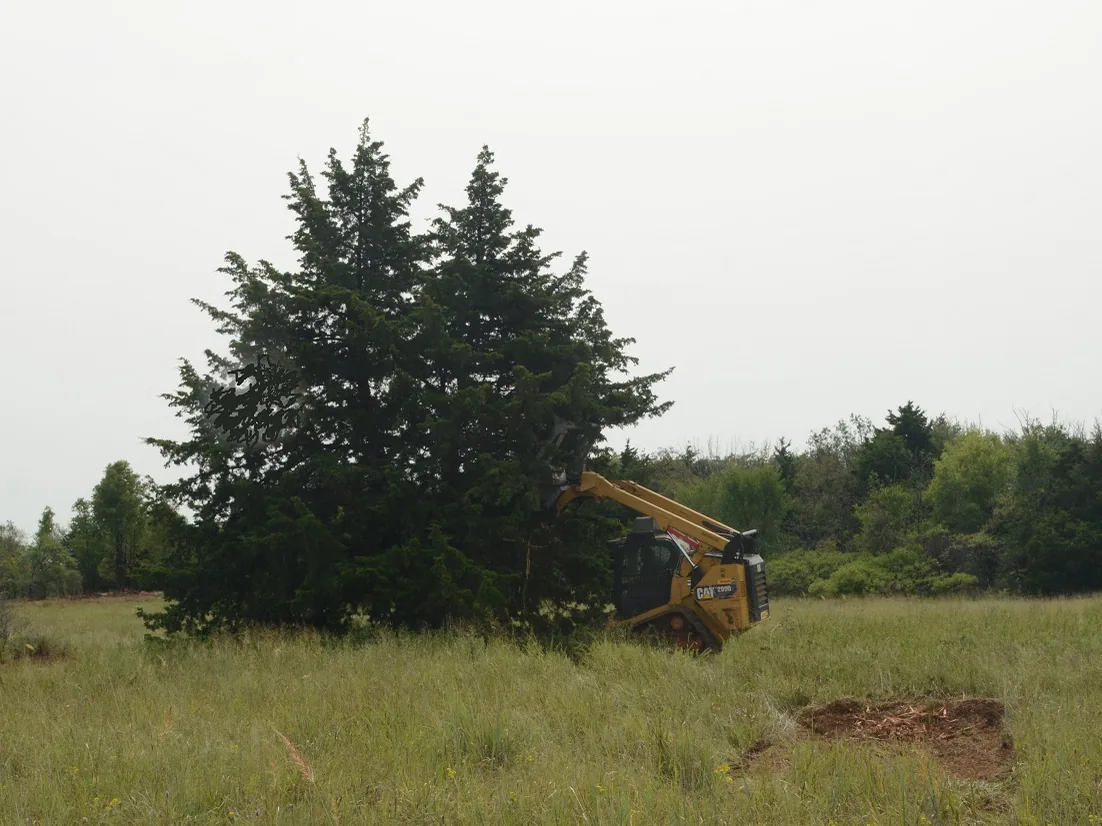
We grind standing cedar into mulch where it grows and leave it on the ground as cover. Live oaks and the trees you want kept stay in place.
Learn More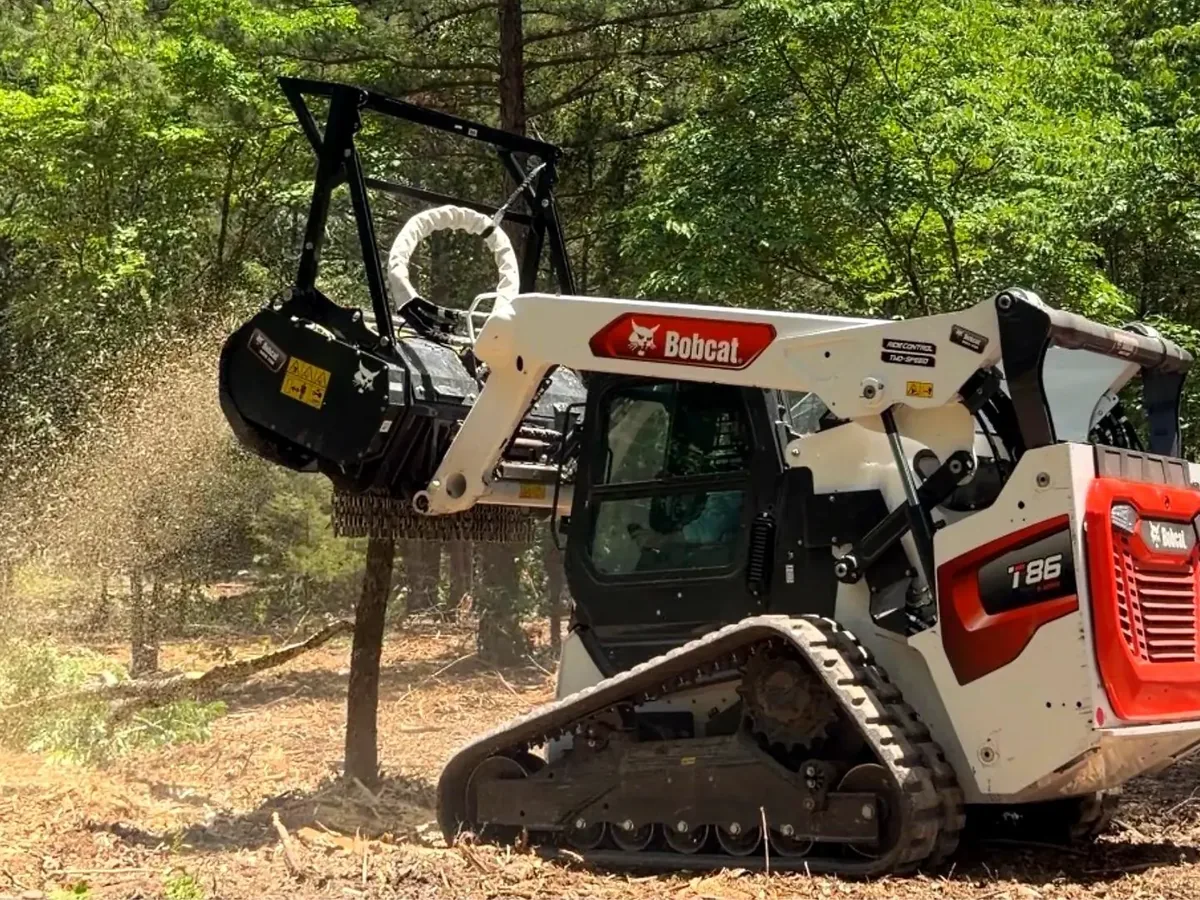
Land clearing for a home site or new pasture on rural land. We mulch the trees where they stand and keep the ones you choose.
Learn MoreTrees and brush are ground up in place. The mulch covers the soil right where they grew.
Our service area covers Austin and the towns around it. Lakeway, Leander, Kyle, Canyon Lake and Marble Falls are all part of it.
Once the land is open, we can fence a new pasture. We can also plant native trees and shrubs, such as pecan or Texas sage, where the cedar came out.
We look at the job before we price it. Then the quote comes to you in writing.
Tell us where your land is and what you want done with it. Call or text (512) 745-0804 or use the form, and we will get back to you.
Tell us about the land, the work it needs and where it is. We look at the job and put the quote in writing.