
Land Clearing
Land clearing for a home site or new pasture on rural land. We mulch the trees where they stand and keep the ones you choose.
Learn More
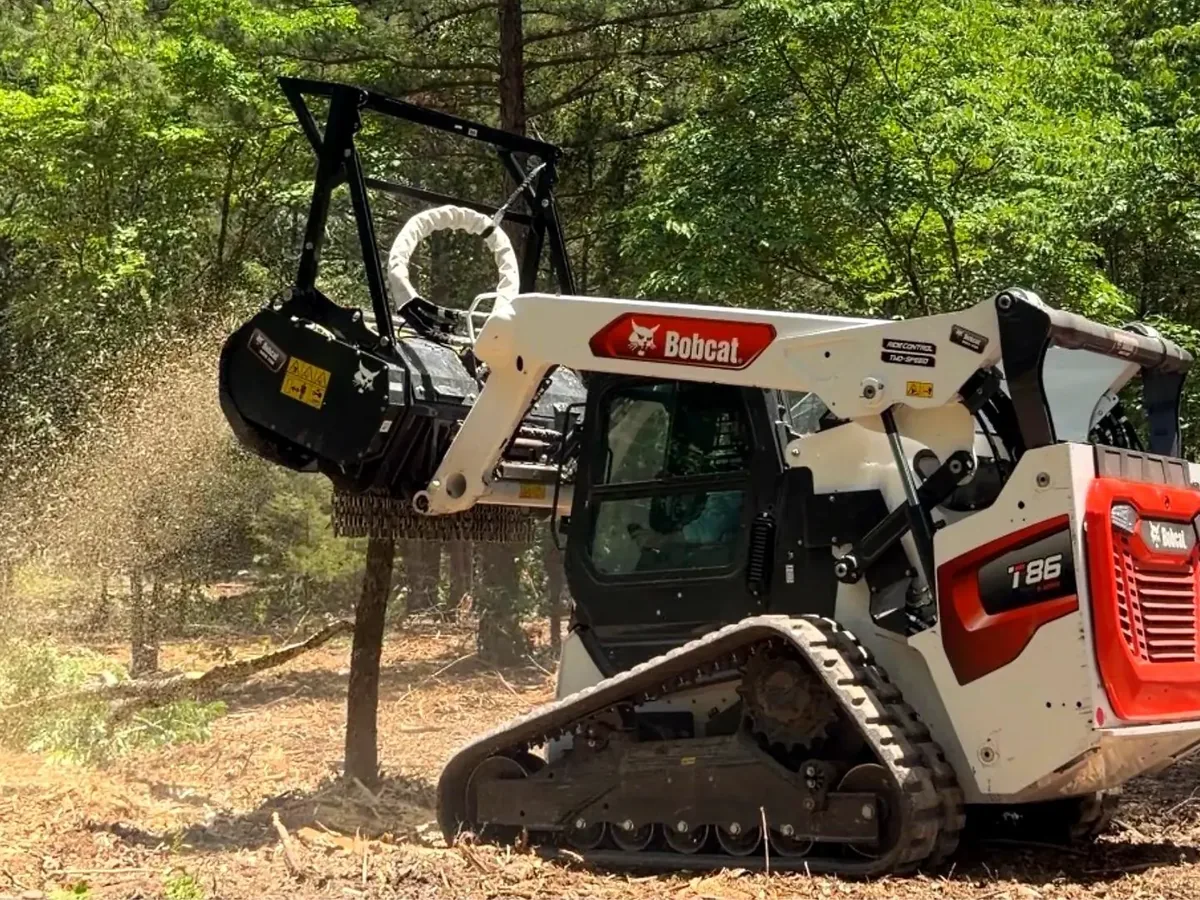
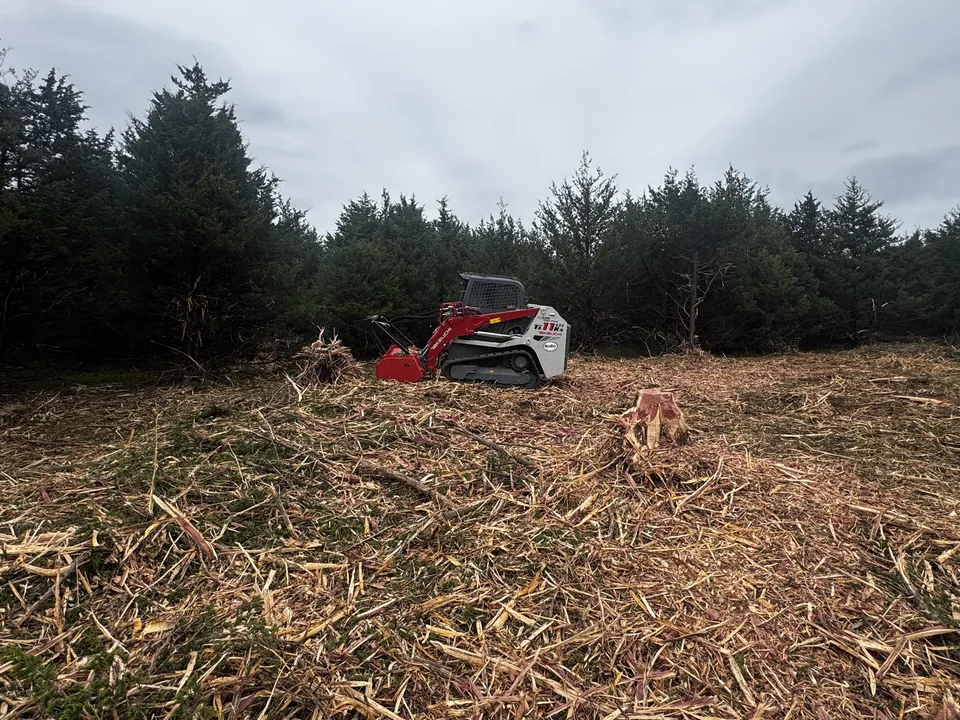
Cedar mulching grinds standing cedar into mulch right where it grows, and the mulch stays on your land. A forestry mulcher on a compact track loader grinds the whole tree down to a low stump. Cedar mulching is one of the main parts of our work, the cedar side of forestry mulching in Austin.
Cedar here means Ashe juniper, which grows thick on the limestone hills west of Austin. Extension research places the heart of its range in the Texas Hill Country. Kudu Land Services mulches it for landowners and ranchers across our Central Texas service area. Call or text (512) 745-0804, and we look at the job and put the quote in writing.
Tell us about the land, the work it needs and where it is. We look at the job and put the quote in writing.
Hill Country landowners call cedar a water hog, and rainfall research shows one reason. Researchers measured how much of a year's rain reached the soil. Under cedar, about one fifth did, and under bunchgrass, more than four fifths. The rest clung to the cedar's foliage and thick leaf litter, then evaporated.
The same research notes that seeps and springs on the Edwards Plateau often quit flowing as cedar cover grows. Many landowners report springs running again after clearing, though results depend on the site.
Cedar takes the grass, too. Shade and leaf litter under a big cedar leave little forage, and dense stands make cattle harder to work. Cedar that crowds a live oak may kill it in time, range research adds. For open pasture, cedar mulching pairs with land clearing for hay and cattle.
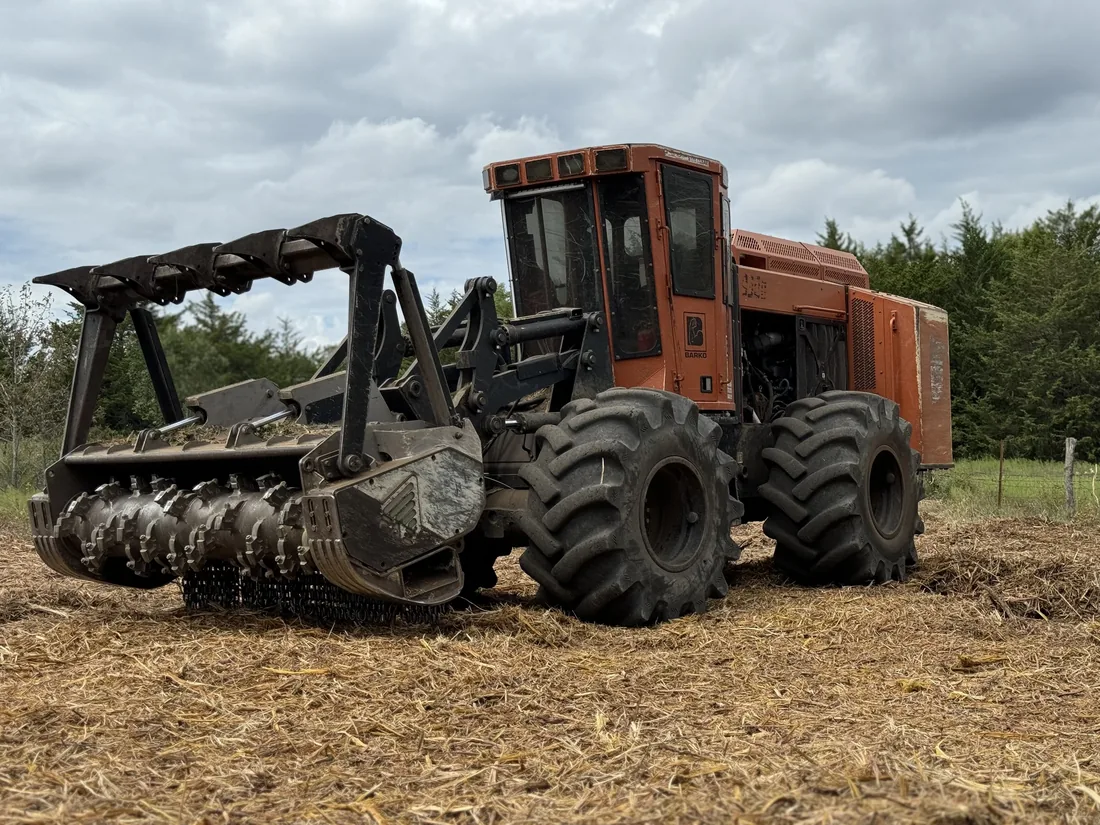
We match the forestry mulcher to the size of the trees and the lay of the land. Its mulching head grinds a standing cedar, trunk and limbs, into chips. You show us the trees that stay, and we mulch around them.
Pushing cedar out with a dozer rips up roots and the soil around them. On cedar land that was dozed and burned, range research traced most erosion to that loose soil. Mulching leaves the soil in place under a layer of chips.
Extension research names raindrops on bare soil as the main cause of erosion, and a mulch layer keeps soil covered. The extension service's gardening guides add that mulch slows evaporation and holds back weeds. Range research notes that fallen cedar leaves and twigs break down slowly. Cedar heartwood also holds an oil that resists decay and gives cedar its smell.
Cut at or just above the soil, this cedar does not sprout from the stump, range research shows. With the canopy gone, the ground gets the light and rain the cedar was taking. The view opens up as well.
New cedar does come in from seed. Birds and other animals eat the berries and spread the seed. Range research found much of the Edwards Plateau's cedar is regrowth from earlier clearings. Seedlings are far easier to kill than grown trees, so plan a follow-up pass within a few years.
Some owners want shade back where the cedar stood. We plant native trees and shrubs such as pecan or Texas sage in the cleared ground.
Call or text for a written quote. We work about 50 miles around Dripping Springs across Central Texas.
(512) 745-0804From the first call or text to the finished work, here is how it goes.
Call or text (512) 745-0804. Tell us where the land is and what you want it to look like when we finish.
We look at how thick the growth is and how the machine will reach it. You tell us which trees stay.
We put the quote in writing, with the work spelled out. You see the price before the machine starts.
The forestry mulcher grinds the cedar and brush where they stand. It works around the trees you chose to keep.
You get back open land with the mulch spread over it. The trees you kept stand clear of the brush.
Common questions about cedar mulching around Austin and the Texas Hill Country. If yours is not here, call or text and ask.
Land clearing for a home site or new pasture on rural land. We mulch the trees where they stand and keep the ones you choose.
Learn More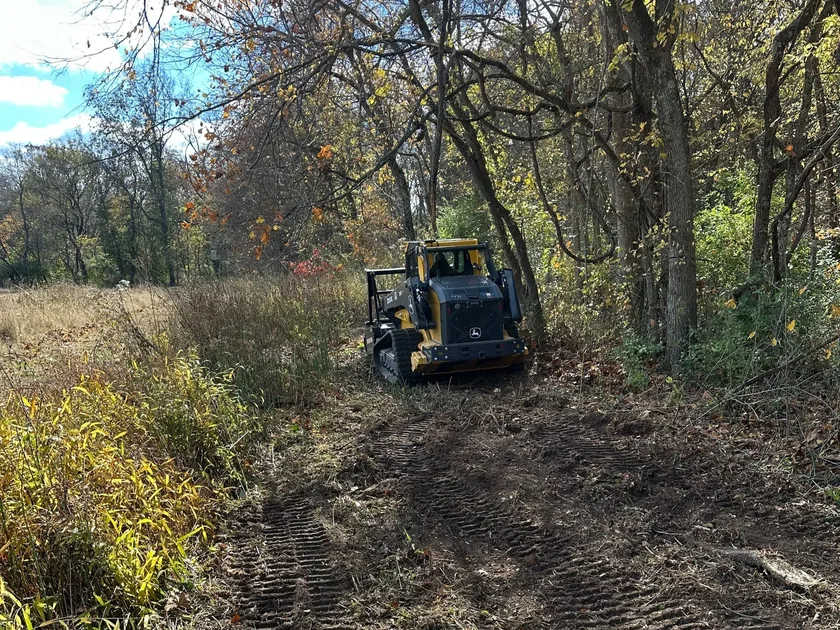
We mulch thick underbrush in place and open up overgrown fence lines. The trees you want to keep stay standing.
Learn More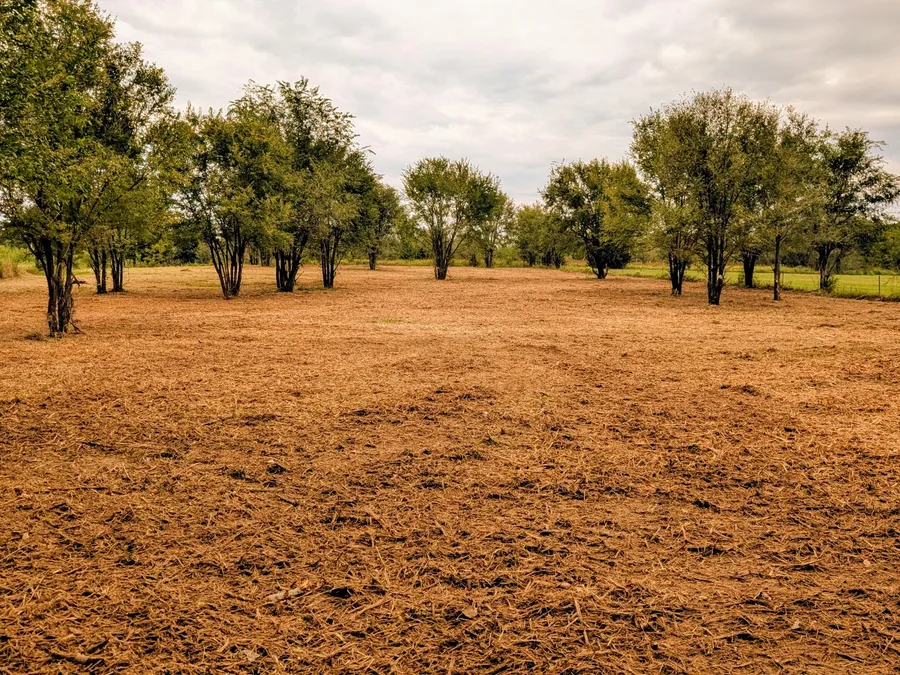
We mulch cedar thickets and underbrush to open defensible space around homes and fuel breaks on acreage. The mulch stays on the ground, and the trees you choose stay standing.
Learn MoreTrees and brush are ground up in place. The mulch covers the soil right where they grew.
Our service area covers Austin and the towns around it. Lakeway, Leander, Kyle, Canyon Lake and Marble Falls are all part of it.
Once the land is open, we can fence a new pasture. We can also plant native trees and shrubs, such as pecan or Texas sage, where the cedar came out.
We look at the job before we price it. Then the quote comes to you in writing.
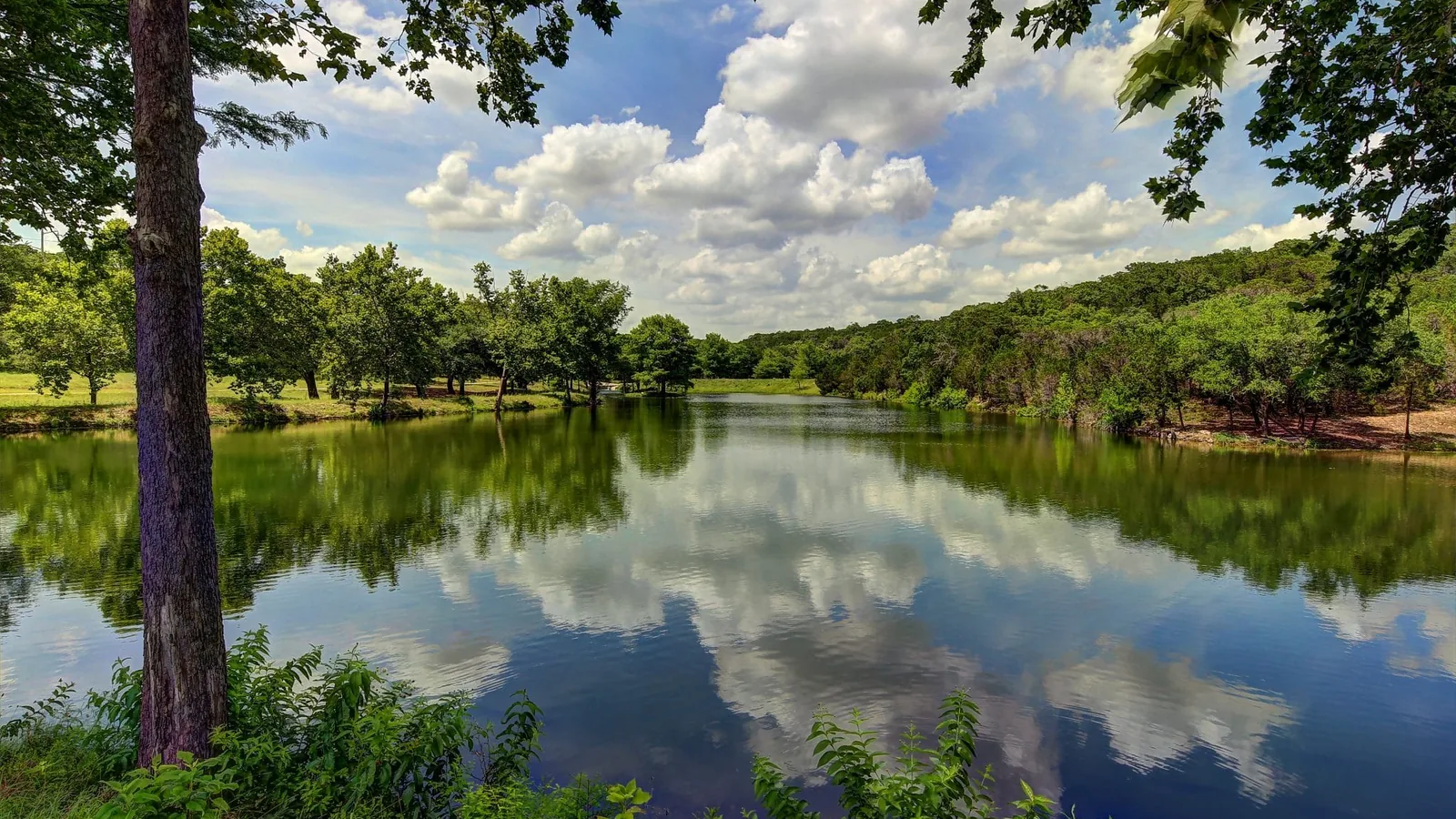
Should you clear the cedar on Hill Country land? What cedar does to water and grass, which trees to keep, mulching versus pulling, and what grows back.
Read more →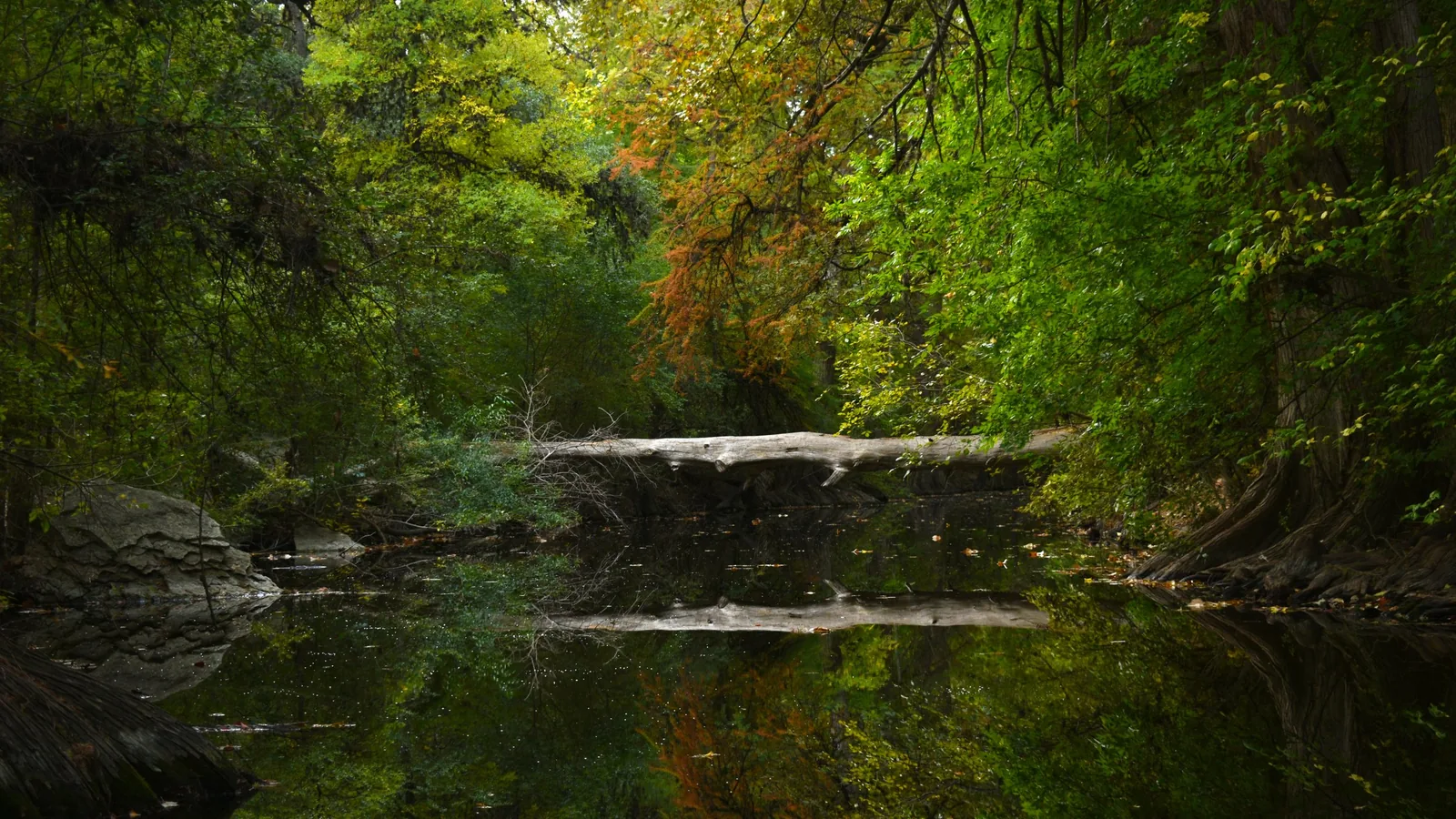
Defensible space for a Central Texas home on wooded acreage: the three zones, cedar as fuel, fuel breaks, timing and the cost-share programs that exist.
Read more →
What drives the cost of forestry mulching per acre in Texas: cedar density, tree size, rock, slope, access and acreage, and how a job gets priced.
Read more →
What moves the cost of land clearing per acre in Texas, for home lots and pasture, plus the permits and the 811 call state law requires before digging.
Read more →Tell us where your land is and what you want done with it. Call or text (512) 745-0804 or use the form, and we will get back to you.
Tell us about the land, the work it needs and where it is. We look at the job and put the quote in writing.