Cedar Mulching
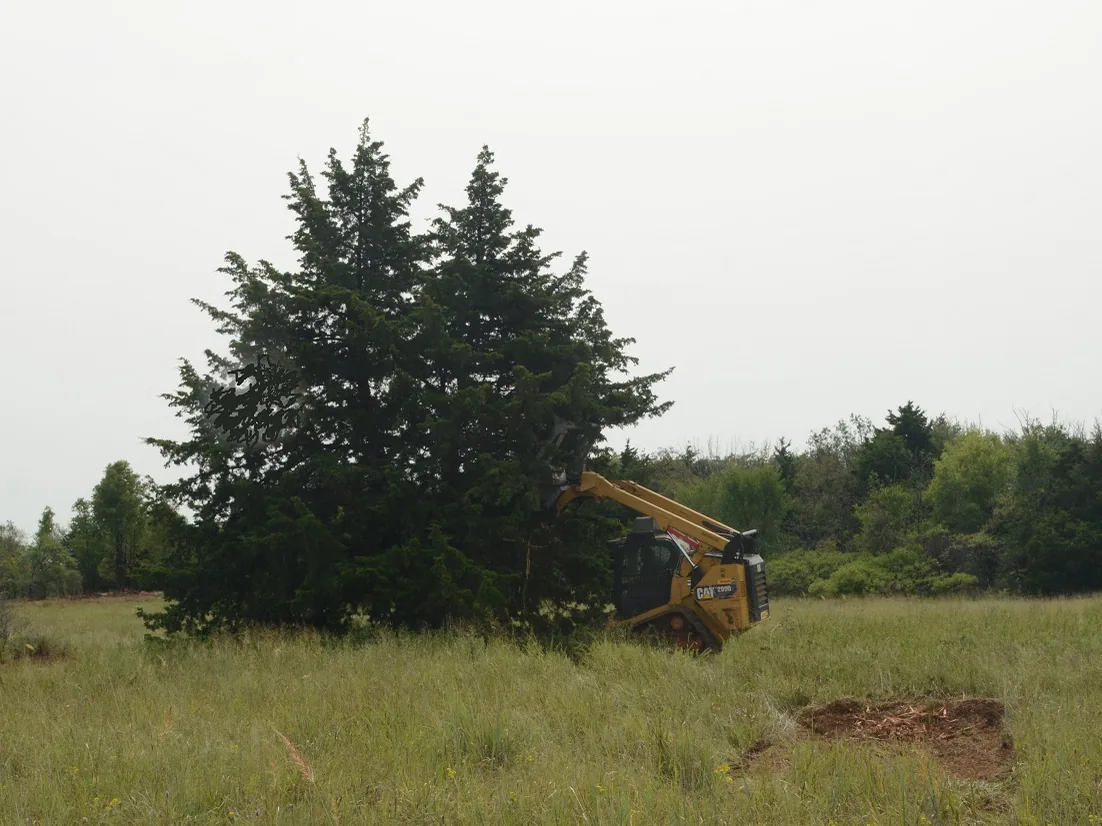
We grind standing cedar into mulch where it grows and leave it on the ground as cover. Live oaks and the trees you want kept stay in place.
Learn More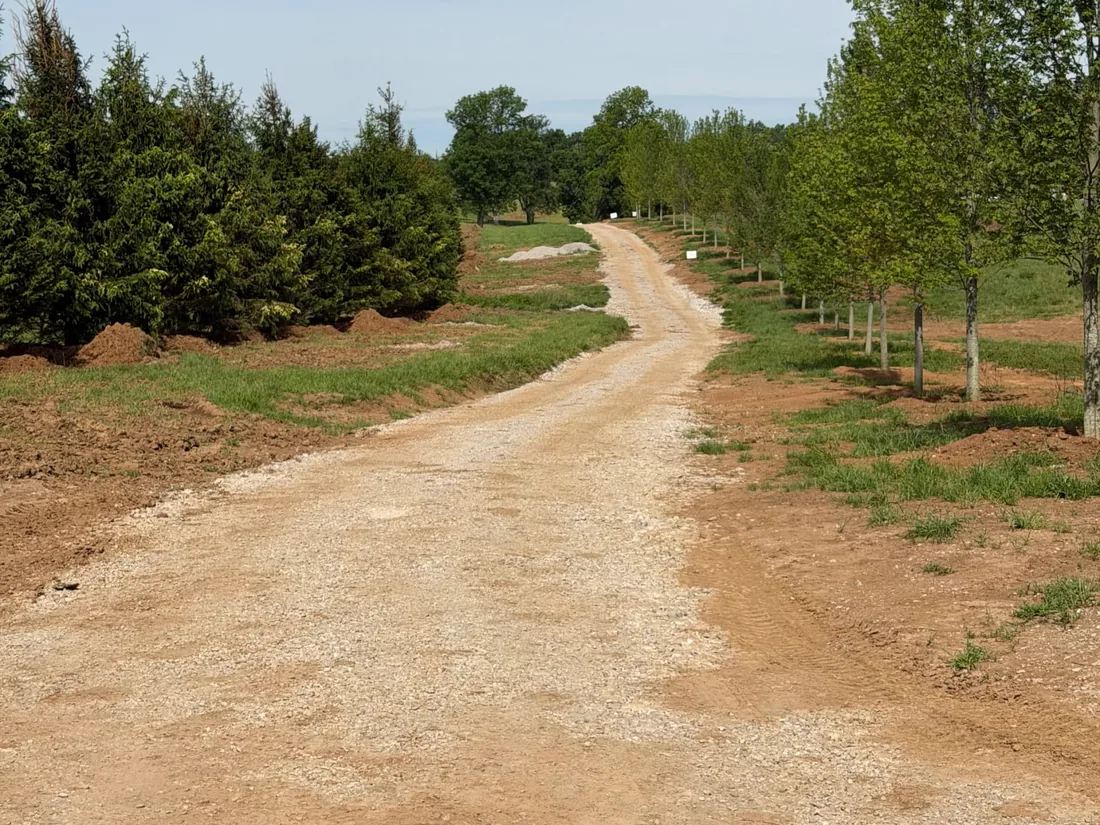
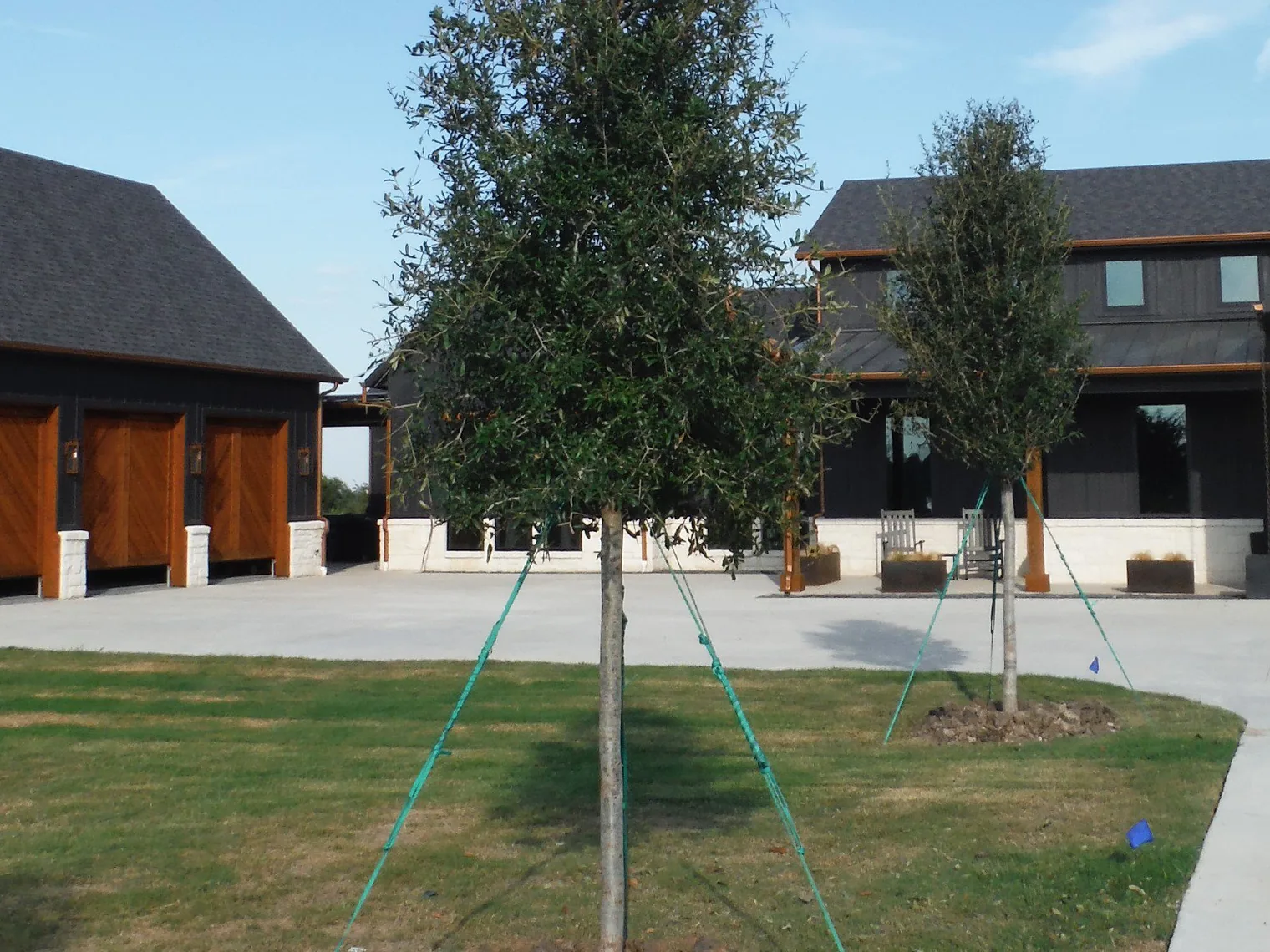
The cedar is gone, and the ground looks bare. Landscaping is what comes next. After cedar mulching, Kudu Land Services plants native trees and shrubs where the cedar stood. You choose the plants, such as Texas sage or pecan.
The cedar mulch from the clearing stays on the ground as cover. The state forest service says mulch helps soil hold moisture and keeps weeds down. We shape that ground around the trees you kept, then plant the new ones. Landscaping finishes what our forestry mulching in Austin starts, on acreage and home sites across Central Texas.
Tell us about the land, the work it needs and where it is. We look at the job and put the quote in writing.
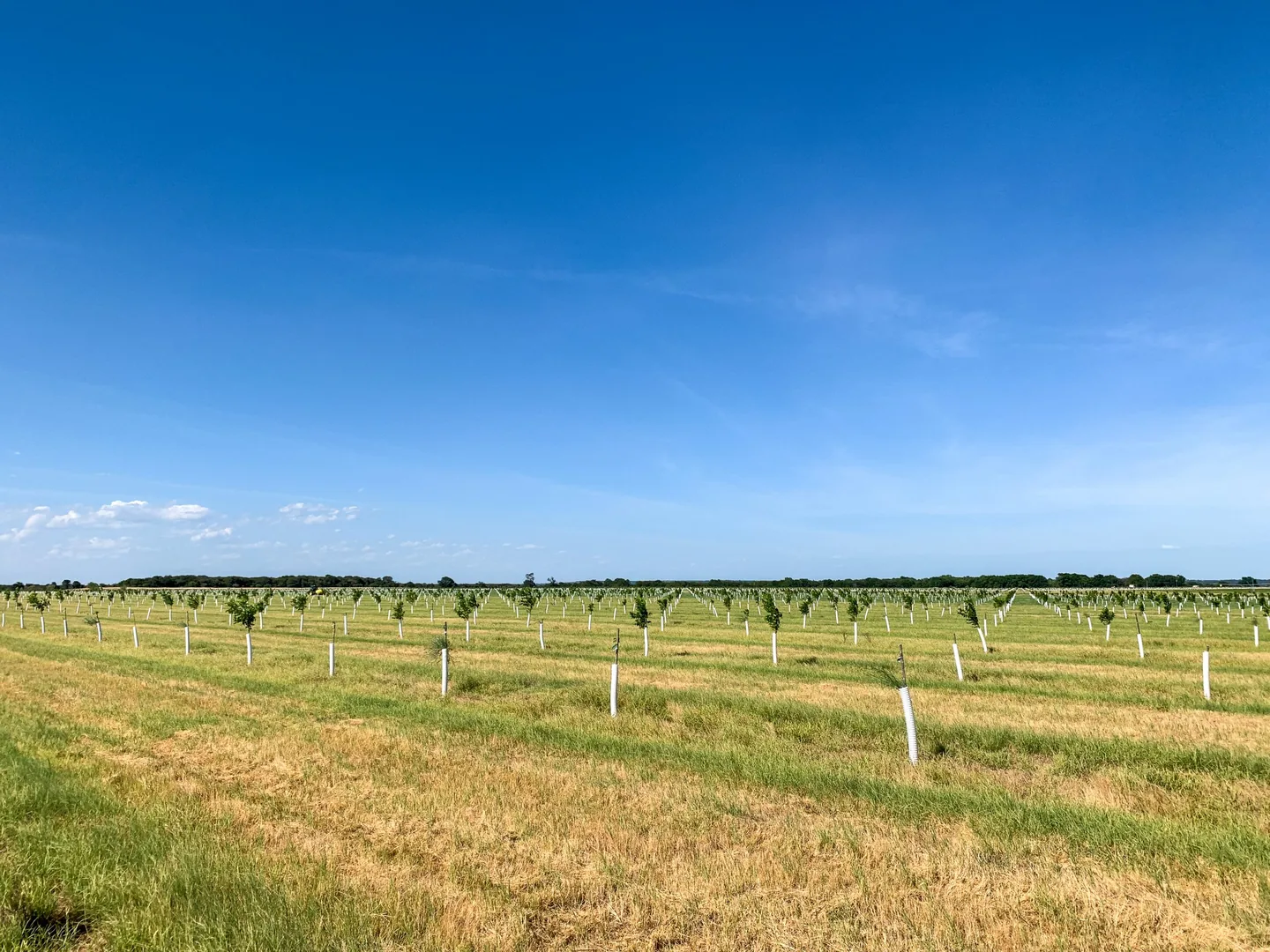
We call it tree replenishment: putting other native trees and shrubs in place of the cedar. Each plant goes in the part of the land that suits it.
Pecan is the state tree of Texas, named by the Legislature in 1919. Texas sage, which the state calls Texas purple sage, became the official state native shrub in 2005. It often blooms after a few summer showers, which is why some call it the barometer bush.
The state forest service says trees native to the area handle the local weather better. They are also less prone to pests.
Hill Country ground is often thin soil over limestone. The Natural Resources Conservation Service (NRCS) lists Eckrant as an extensive soil on the Edwards Plateau. It sits 4 to 20 inches deep over limestone bedrock. The City of Austin's forester calls most maples and pines poor choices for Austin's very alkaline soil.
Texas sage handles rocky, limestone ground and needs little water. The University of Texas native plant database rates it high for deer resistance. Live oak belongs here too: the NRCS lists clumps of live oak in the native cover on Eckrant soil.
The Blackland Prairie side of Central Texas is different. There, the NRCS describes a widespread clay soil that runs very deep and lets water through very slowly. The state forest service gives a simple check for any planting spot. Fill the empty hole with water, and if it takes longer than 24 hours to drain, pick another site.
The City of Austin's forester calls October through March the city's tree-planting season. Winters are mild, so roots settle in before the hot, dry months. Land cleared in summer can be planted once the weather cools.
The state forest service lays out how a new tree goes in. The hole is at least twice as wide as the root ball and no deeper. The root collar sits at ground level or a little above it. Planting too deep is a leading cause of death in new trees.
When a machine digs a planting hole 16 inches deep or more, Texas law calls for an 811 notice first. That notice goes in at least two business days before the digging starts.
Call or text for a written quote. We work about 50 miles around Dripping Springs across Central Texas.
(512) 745-0804From the first call or text to the finished work, here is how it goes.
Call or text (512) 745-0804. Tell us where the land is and what you want it to look like when we finish.
We look at how thick the growth is and how the machine will reach it. You tell us which trees stay.
We put the quote in writing, with the work spelled out. You see the price before the machine starts.
The forestry mulcher grinds the cedar and brush where they stand. It works around the trees you chose to keep.
You get back open land with the mulch spread over it. The trees you kept stand clear of the brush.
Common questions about landscaping around Austin and the Texas Hill Country. If yours is not here, call or text and ask.
We grind standing cedar into mulch where it grows and leave it on the ground as cover. Live oaks and the trees you want kept stay in place.
Learn More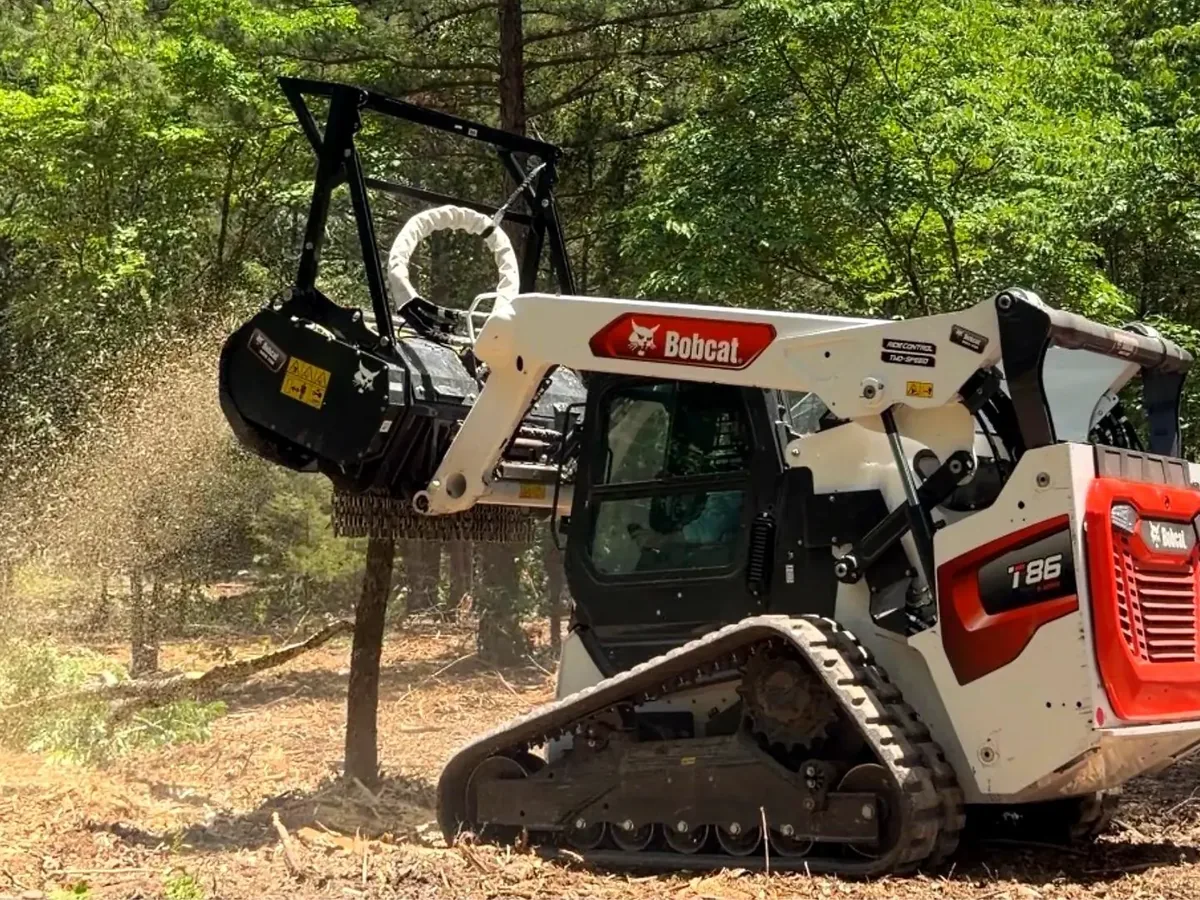
Land clearing for a home site or new pasture on rural land. We mulch the trees where they stand and keep the ones you choose.
Learn More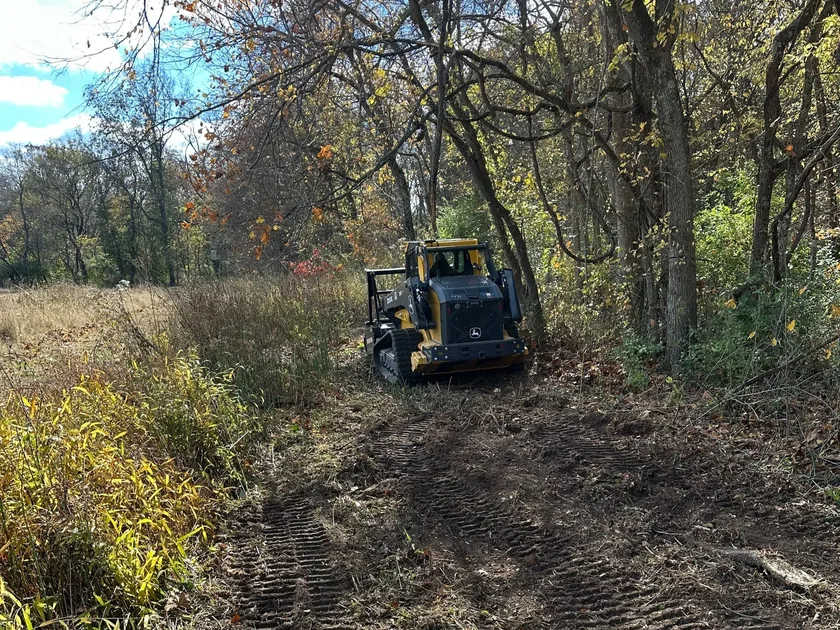
We mulch thick underbrush in place and open up overgrown fence lines. The trees you want to keep stay standing.
Learn MoreTrees and brush are ground up in place. The mulch covers the soil right where they grew.
Our service area covers Austin and the towns around it. Lakeway, Leander, Kyle, Canyon Lake and Marble Falls are all part of it.
Once the land is open, we can fence a new pasture. We can also plant native trees and shrubs, such as pecan or Texas sage, where the cedar came out.
We look at the job before we price it. Then the quote comes to you in writing.
Tell us where your land is and what you want done with it. Call or text (512) 745-0804 or use the form, and we will get back to you.
Tell us about the land, the work it needs and where it is. We look at the job and put the quote in writing.