
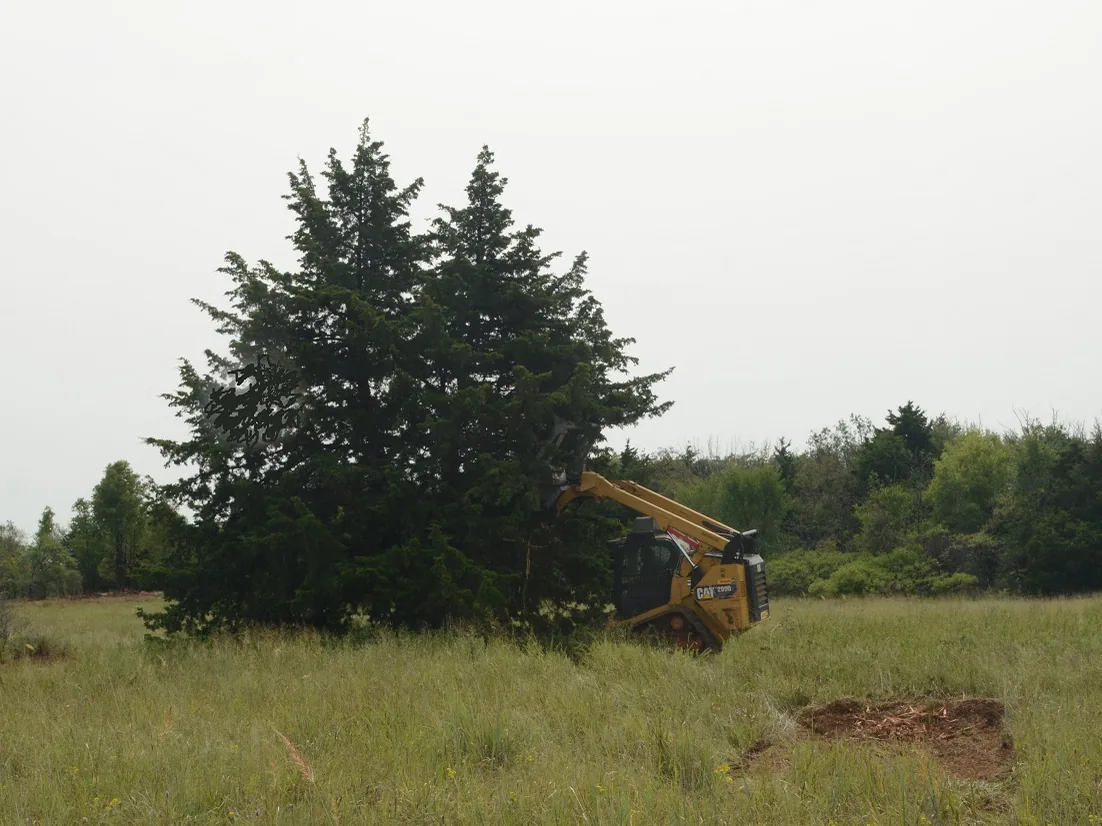
Cedar Mulching
We grind standing cedar into mulch where it grows and leave it on the ground as cover. Live oaks and the trees you want kept stay in place.
Learn More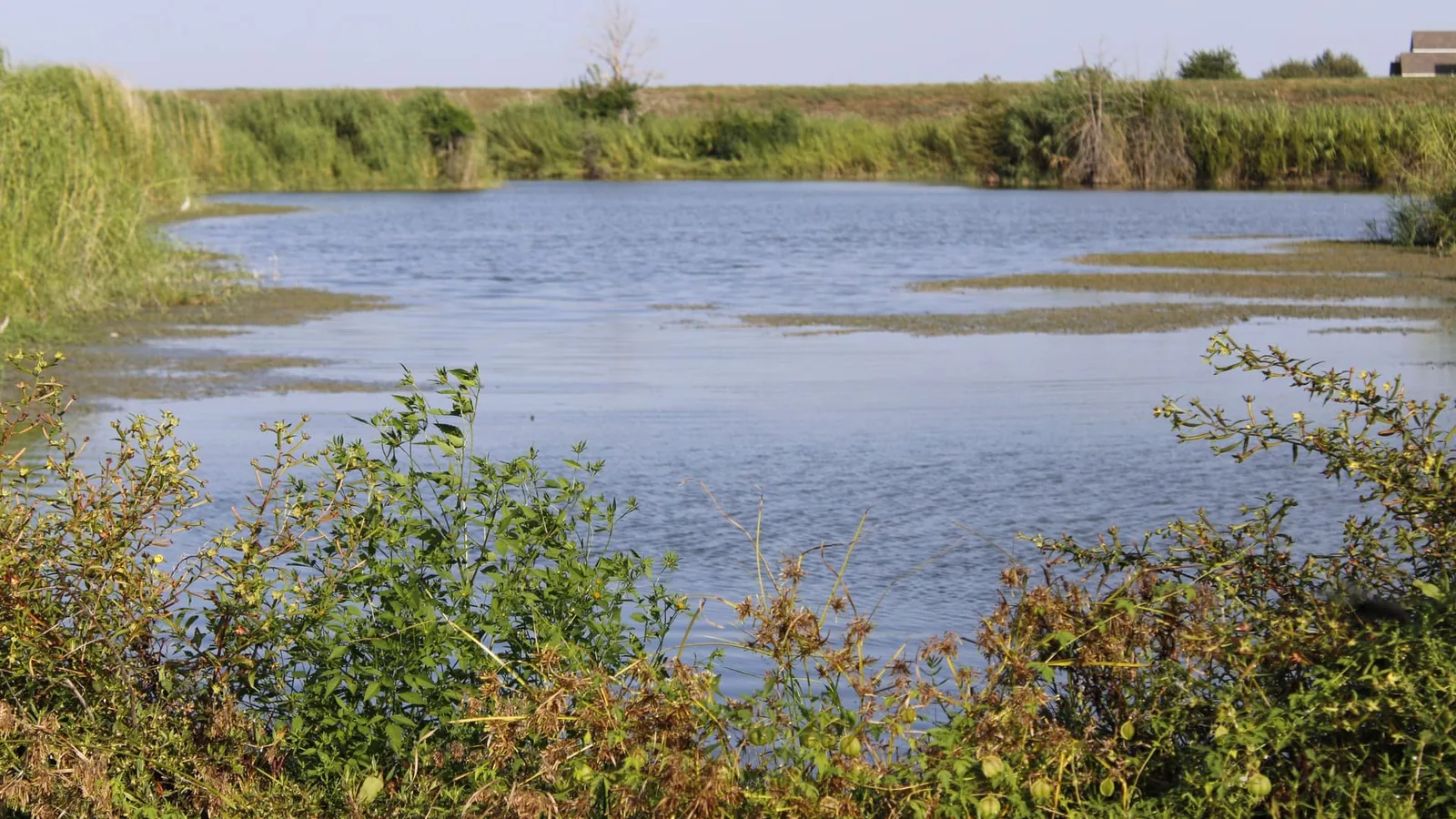
Kyle straddles I-35 about 20 miles south of Austin, where Hill Country limestone meets Blackland Prairie clay. West of the highway the ground turns thin and stony, and cedar can crowd in. East of it, the deep clay was tallgrass prairie, and overgrazed pasture there takes on woody brush. The town is growing fast, so more of that land is turning into homesites that need clearing.
Kudu Land Services does forestry mulching around Austin and across Central Texas, and Kyle is part of our service area. In Kyle we do forestry mulching and land clearing on home lots and acreage, in town and past the limits. A forestry mulcher on a compact track loader grinds trees in place, and the mulch stays on the ground. Call or text (512) 745-0804, and we look at the job and put the quote in writing.
Tell us about the land, the work it needs and where it is. We look at the job and put the quote in writing.
Soil maps from the Natural Resources Conservation Service (NRCS) show two kinds of ground in Kyle, roughly split by I-35. East of the highway, deep clays such as Heiden and Branyon cover most of the ground. West of it, thin rocky soils such as Real and Comfort sit on limestone across large parts of town. Comfort soils reach hard rock 10 to 20 inches down.
The NRCS description of Real soils says many years of heavy grazing let ashe juniper form a dense stand. Ashe juniper is the tree most people here call cedar. Cedar mulching grinds the standing cedar where it grows, and the mulch stays as ground cover.
On the east-side clays, the NRCS describes native tallgrass prairie with scattered mesquite and hackberry. It also says overgrazing brings in more woody plants. Where pasture has gone to brush, brush clearing takes out the understory and leaves the shade trees.
Kyle had 5,314 people in the 2000 Census and 45,697 in 2020. The Census Bureau estimates 69,917 for July 2025. Its building permit data count 912 new single-family homes authorized in Kyle in 2025.
Most of Kyle's housing is new. Census survey estimates date about 87 percent of it to 2000 or later. Three in four homes are single-family detached houses. City maps show large planned neighborhoods such as Plum Creek and Waterleaf inside the limits.
Kyle's ETJ, the unincorporated land around the city limits, holds newer communities such as Six Creeks and Crosswinds. It also holds older large-lot subdivisions. Sunrise Acres, for one, spans 484 acres with 120 lots on the city's map. A new house on a tract like that often starts with land clearing for the homesite and the driveway.
It depends on which side of the city line your land sits. Kyle's online Jurisdiction Finder shows whether a tract is inside the limits or in the ETJ. State law lets landowners petition to leave a city's ETJ, and the city's GIS maps mark tracts removed from Kyle's.
The city has a tree removal permit, and its fee schedule lists protected and specimen trees. Its general construction notes add two rules for permitted sites. No tree over 6 inches in diameter comes out unless the approved plans mark it. Clearing waits until the approved erosion and sediment controls are in place.
Inside the limits, Kyle's Building Inspection Department lists driveways and accessory buildings among work that needs a permit. The Planning Department reviews site development applications. The right office answers what your lot needs before work starts, and we point you there.
City GIS maps put parts of far west Kyle and its ETJ over the Edwards Aquifer recharge zone. The Texas Commission on Environmental Quality (TCEQ) says regulated activities there need an approved plan before construction. Its online map viewer shows where a tract sits, and its Austin Regional Office takes Hays County questions. Whether a clearing job counts is the TCEQ's call to make.
TCEQ guidance for the Edwards rules says removing vegetation speeds up runoff. It names mulch such as wood chips as a cover for bare soil. Kyle's stormwater program asks owners to get plants growing on bare soil as soon as possible. A forestry mulcher leaves its mulch on the ground where the cedar stood.
Kyle buys about half its permitted water supply from Canyon Lake and pumps some from the Edwards Aquifer. City drought rules set landscape watering by stage, and new landscaping on construction projects follows the same limits. Other water providers around town can set different rules. Where cedar comes out, native tree planting can put live oak or pecan back on the land.
Communities and areas we serve around Kyle: Plum Creek, Waterleaf, Hometown Kyle, Steeplechase, Bunton Creek, Southlake Ranch, Six Creeks, Crosswinds, Sunrise Acres, Green Pastures, Rolling Hills Estates, Lake Kyle Park.
Kyle ZIP codes served: 78640, 78666, 78610.
Kyle is part of our service area. We look at the job first, then put the quote in writing.
(512) 745-0804 We grind standing cedar into mulch where it grows and leave it on the ground as cover. Live oaks and the trees you want kept stay in place.
Learn More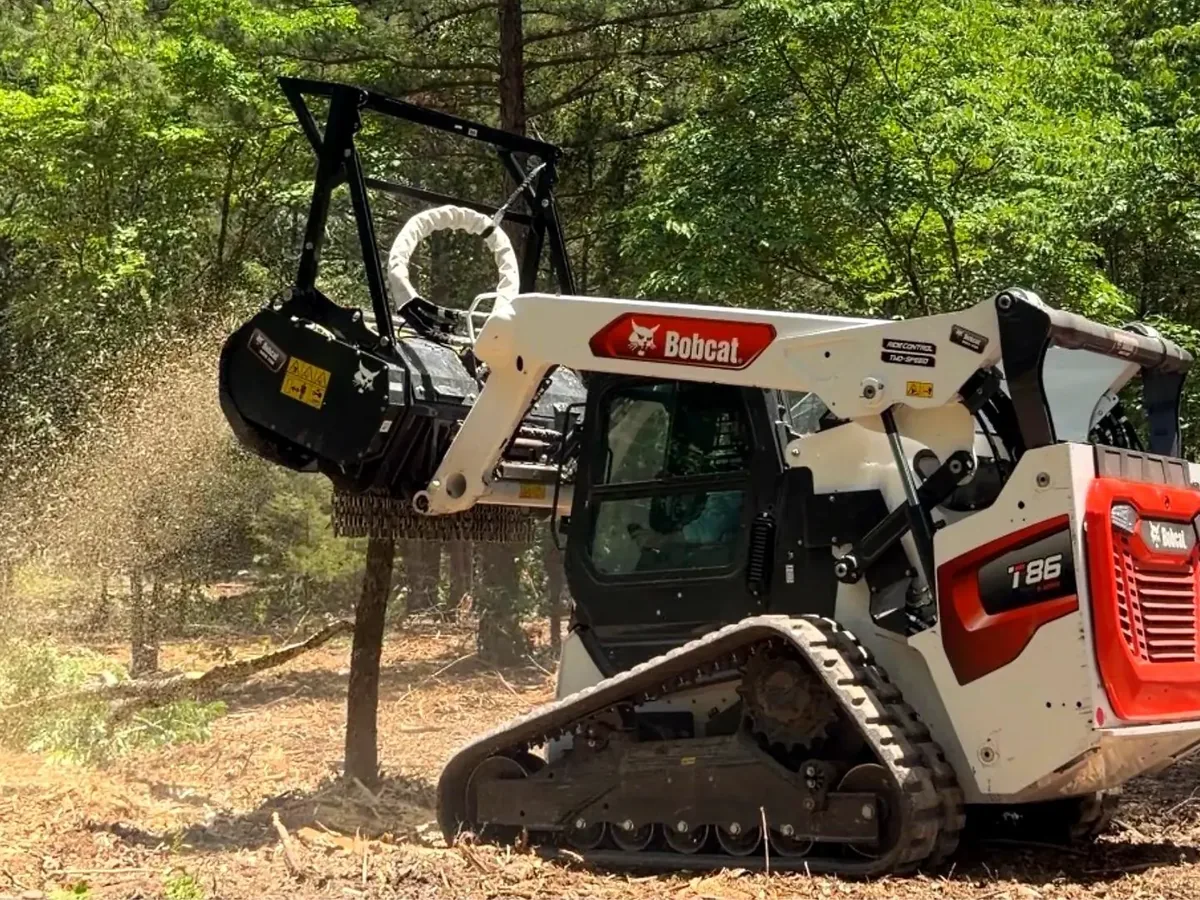
Land clearing for a home site or new pasture on rural land. We mulch the trees where they stand and keep the ones you choose.
Learn More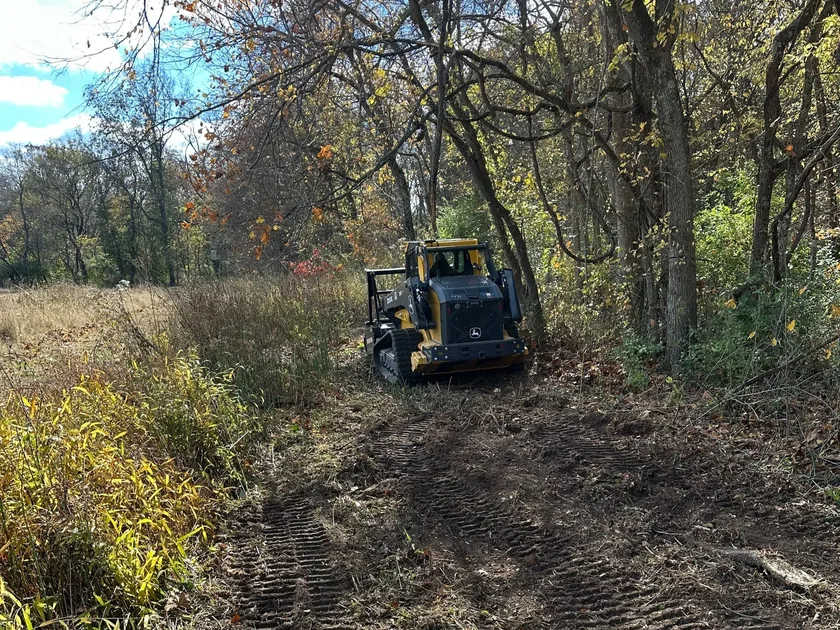
We mulch thick underbrush in place and open up overgrown fence lines. The trees you want to keep stay standing.
Learn More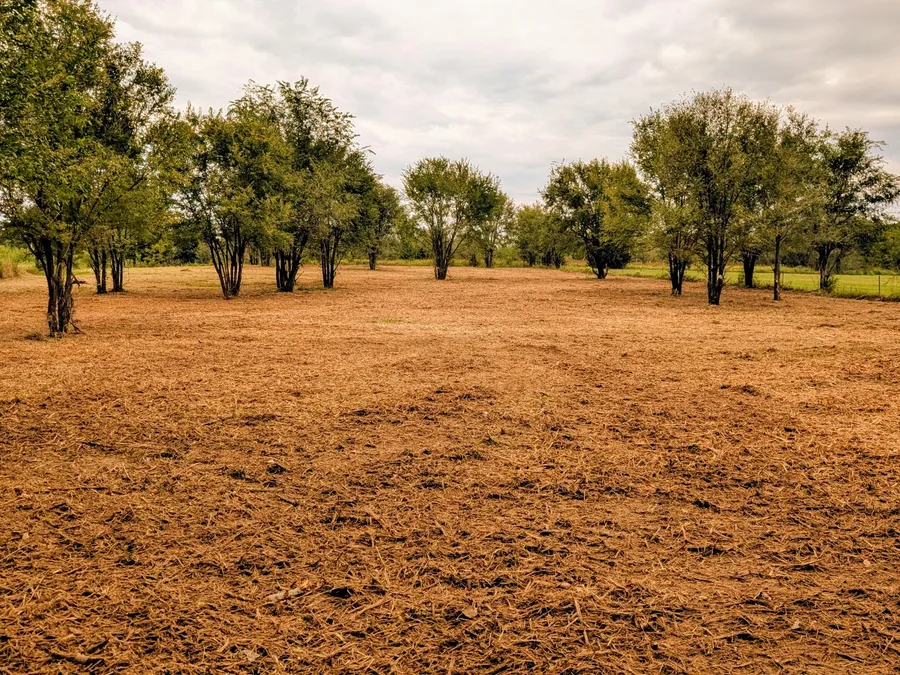
We mulch cedar thickets and underbrush to open defensible space around homes and fuel breaks on acreage. The mulch stays on the ground, and the trees you choose stay standing.
Learn More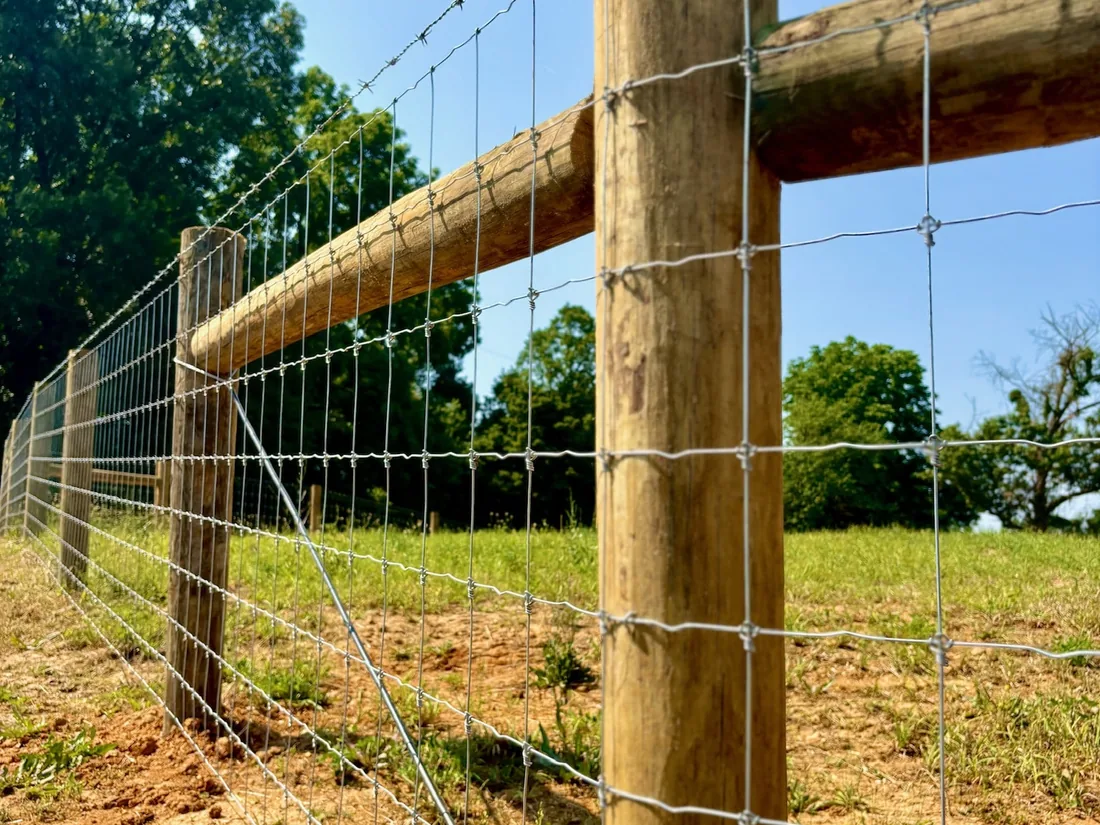
Fence installation for acreage and ranch land, often right after the clearing. We clear the fence line first, then put the fence up.
Learn More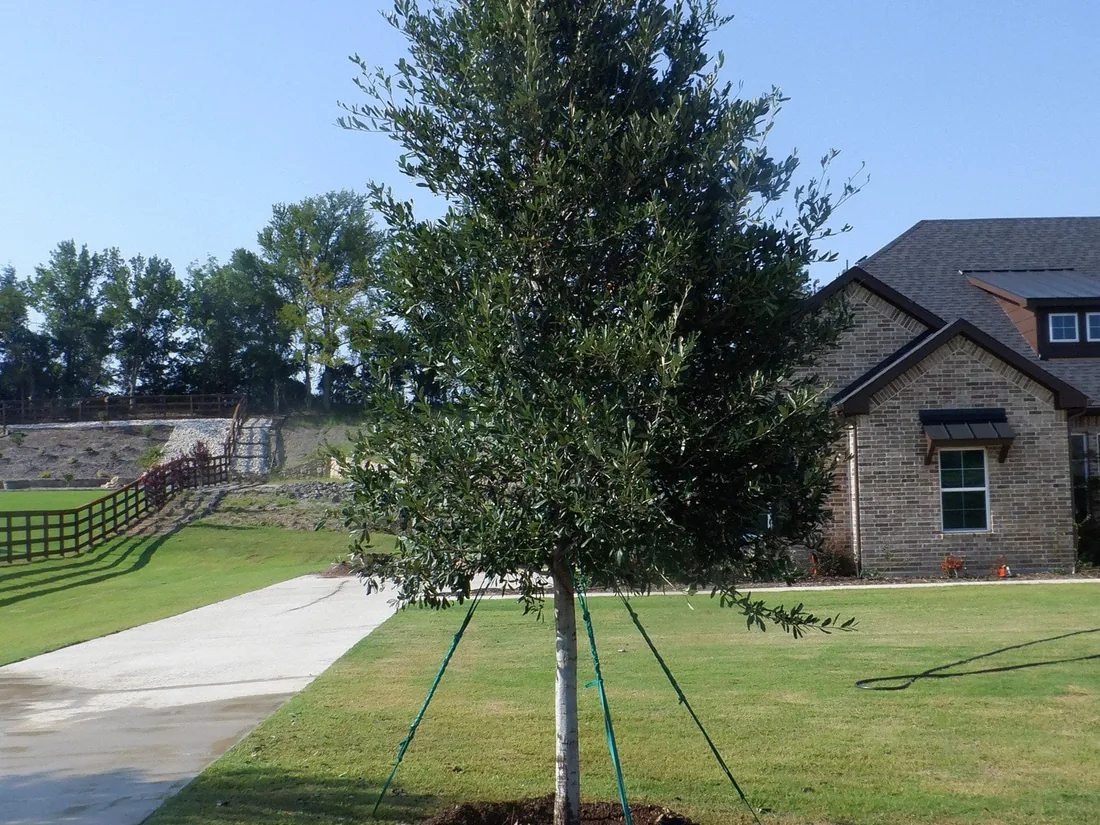
Landscaping for land that just lost its cedar. We plant native trees and shrubs, such as Texas sage and pecan, where the cedar came out.
Learn MoreA few of the questions we hear most around Kyle. If yours is not here, call or text and ask.
Tell us where your land is and what you want done with it. Call or text (512) 745-0804 or use the form, and we will get back to you.
Tell us about the land, the work it needs and where it is. We look at the job and put the quote in writing.