
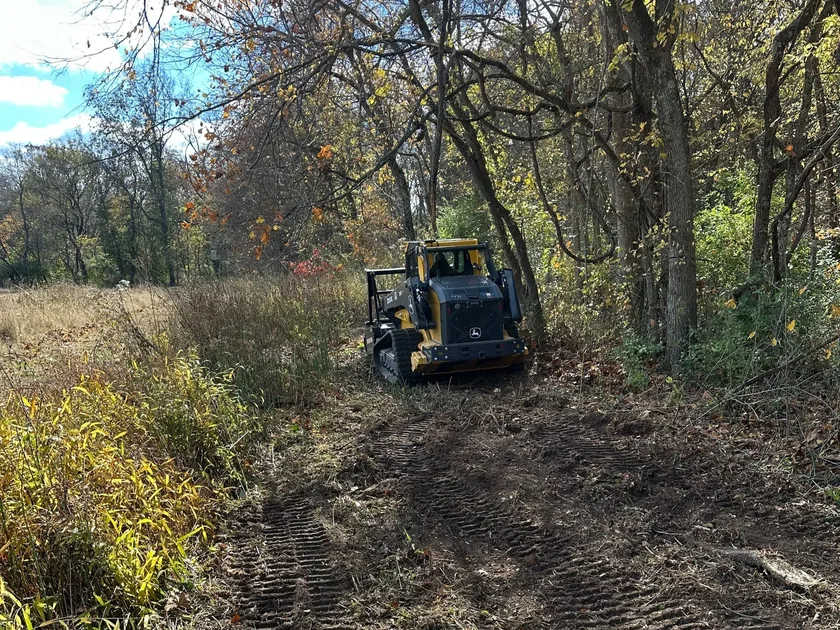
Brush Clearing
We mulch thick underbrush in place and open up overgrown fence lines. The trees you want to keep stay standing.
Learn More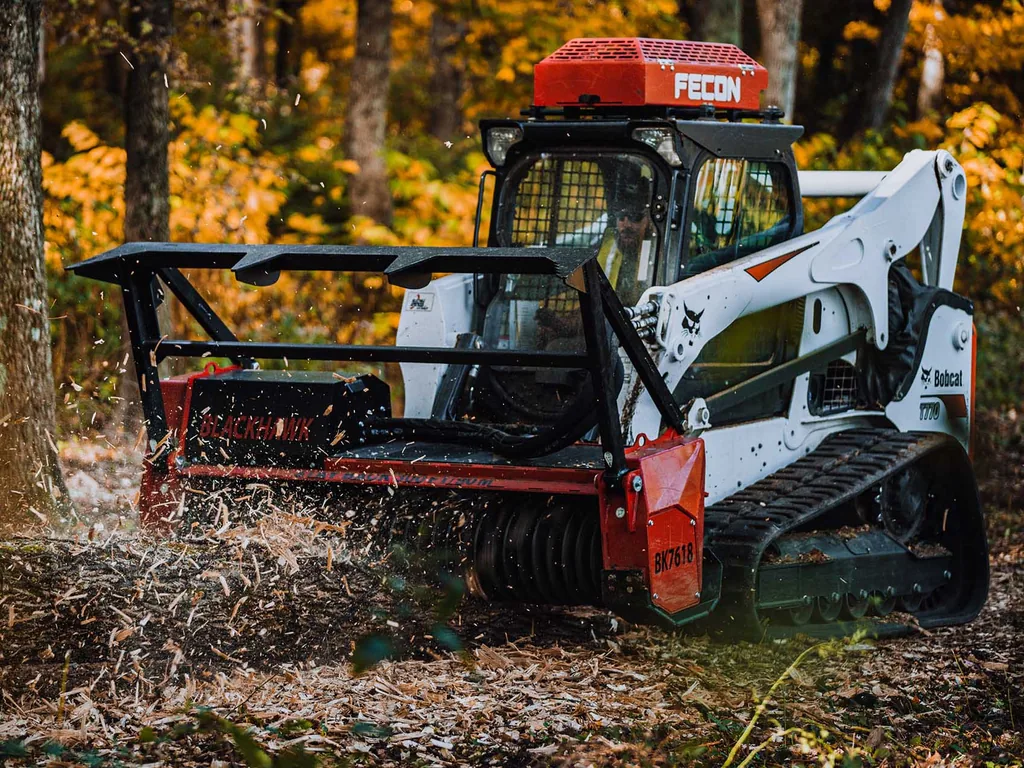
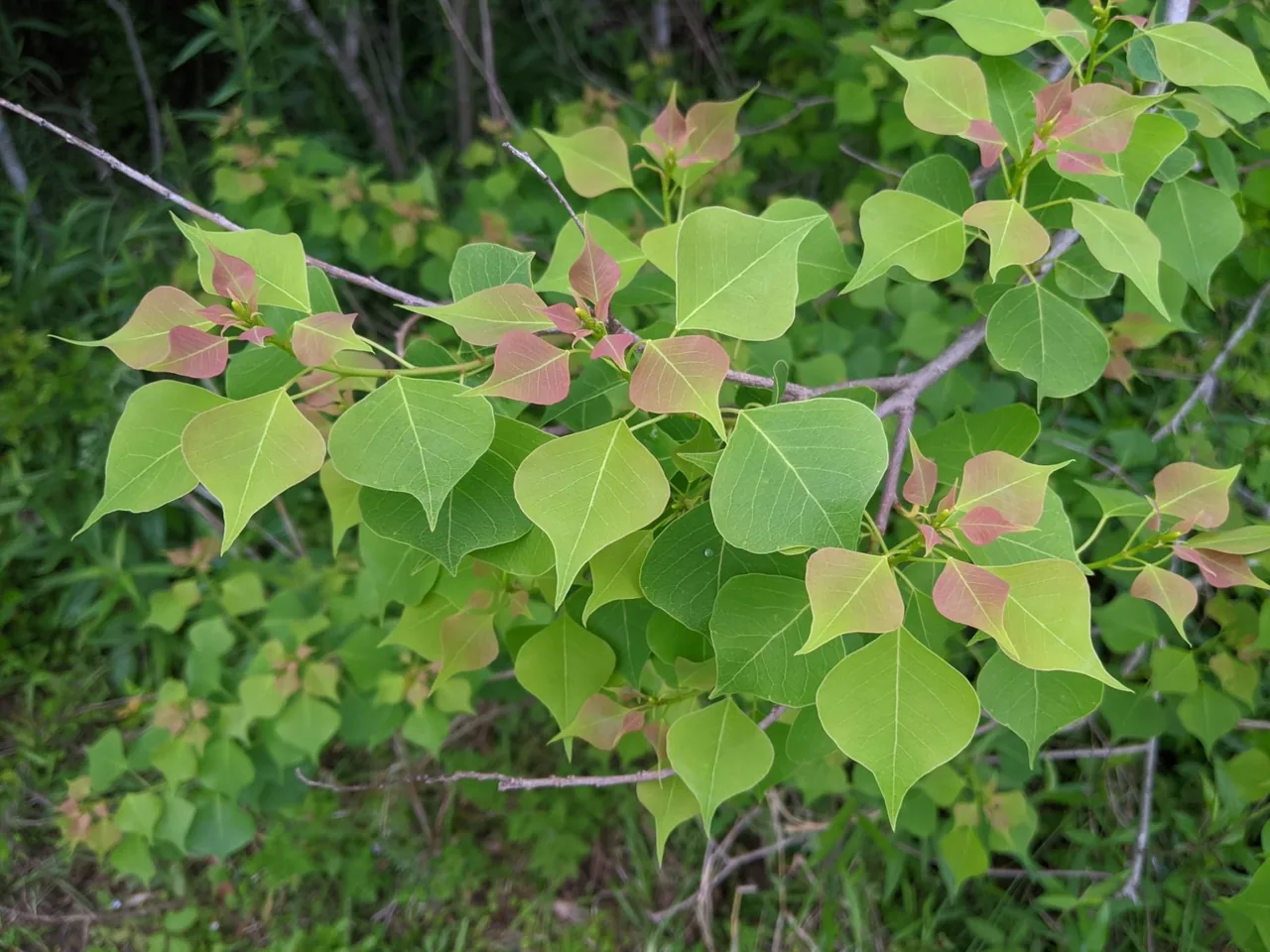
Invasive species removal takes out the non-native trees and shrubs that crowd native plants off your land. Around Austin that often means ligustrum, chinaberry, Chinese tallow and tree of heaven. Kudu Land Services cuts them down with a forestry mulcher on a compact track loader. The machine grinds each plant where it stands, and the mulch stays on the ground as cover.
Kudu Land Services does invasive species removal and invasive plant control for landowners across Austin and Central Texas. The work is one part of our forestry mulching in Austin service. We can mulch anything, all underbrush and all trees. Call or text (512) 745-0804. We look at the job and put the quote in writing.
Tell us about the land, the work it needs and where it is. We look at the job and put the quote in writing.
The City of Austin's watershed staff keep a priority list of invasive species for city land. It names Chinese tallow, chinaberry, tree of heaven and giant cane. Chinese privet, one of the ligustrum, is on it too.
The same city report explains part of why they spread. It says disturbed ground makes a place a hotspot for alien plants. It also points to landscape plants brought in with no thought for how far they might spread. Many of the invasives on Central Texas land started out in a yard.
Ashe juniper, the cedar of the Hill Country, is a native tree that has spread, and cedar mulching is its own service.
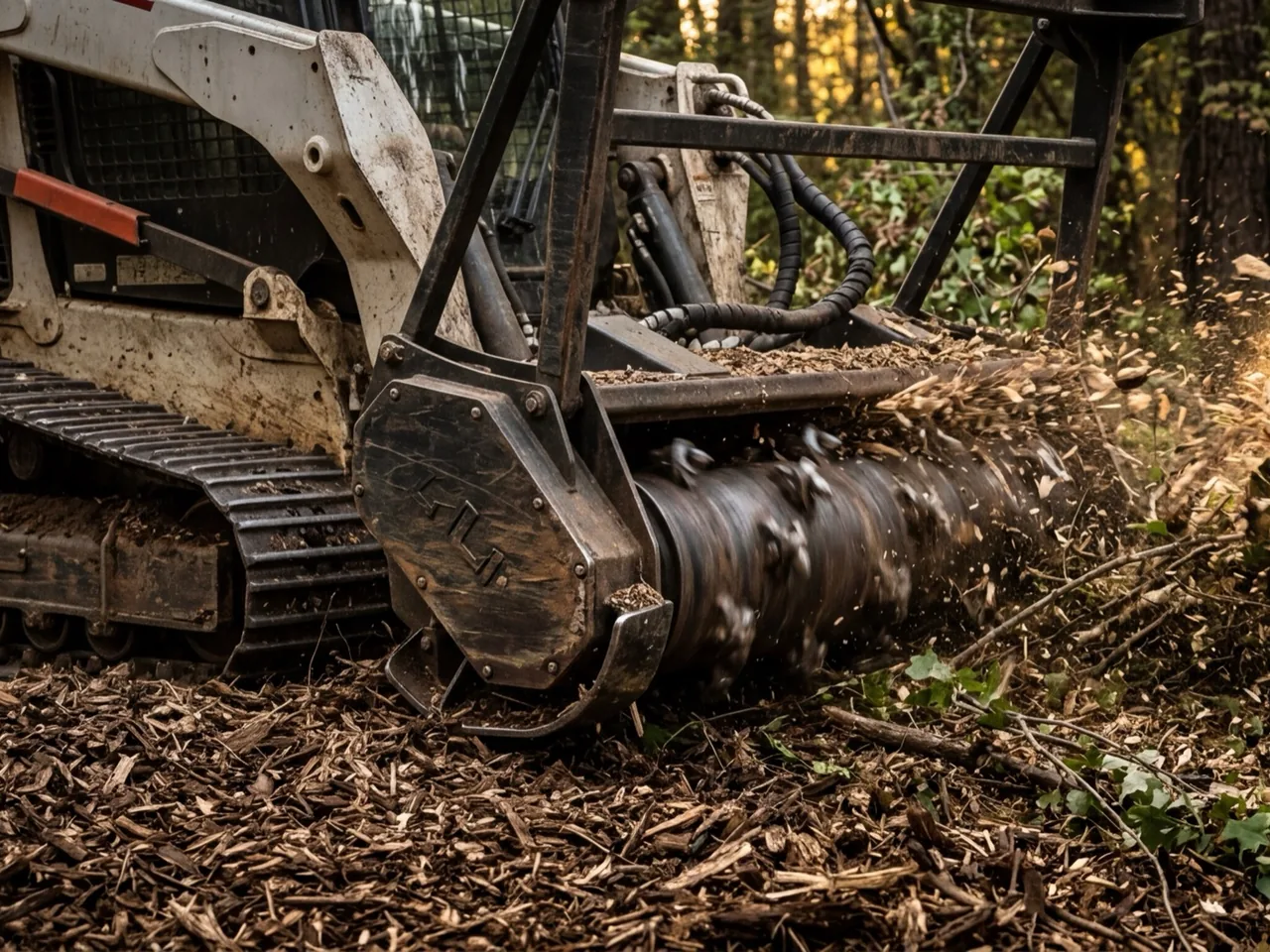
The forestry mulcher rides on a compact track loader. It grinds standing trees and brush down where they grow, so nothing has to be torn out or hauled off. The mulch stays on the ground as cover while the work moves across the land.
Invasive growth often mixes in with native trees and brush. We look at the land first and plan which areas come down. Then the mulcher works through the invasives and leaves the trees you marked standing.
You choose what stays. Mark the native trees you want to keep, and the mulcher works around them. When most of the work sits in the understory, our brush clearing service covers it.
Some can. A few invasive trees can sprout back from the stump or the roots after a cut. So the plan can include a follow-up mulching pass once the new shoots come up.
Some landowners also want the stumps treated so they stay down. That treatment is a separate job for another trade, and we leave it to them.
Then the open ground needs new cover. Native plants put back in the open spots give that space to plants you want. Our native tree planting service handles that step.
Call or text for a written quote. We work about 50 miles around Dripping Springs across Central Texas.
(512) 745-0804From the first call or text to the finished work, here is how it goes.
Call or text (512) 745-0804. Tell us where the land is and what you want it to look like when we finish.
We look at how thick the growth is and how the machine will reach it. You tell us which trees stay.
We put the quote in writing, with the work spelled out. You see the price before the machine starts.
The forestry mulcher grinds the cedar and brush where they stand. It works around the trees you chose to keep.
You get back open land with the mulch spread over it. The trees you kept stand clear of the brush.
Common questions about invasive species removal around Austin and the Texas Hill Country. If yours is not here, call or text and ask.
We mulch thick underbrush in place and open up overgrown fence lines. The trees you want to keep stay standing.
Learn More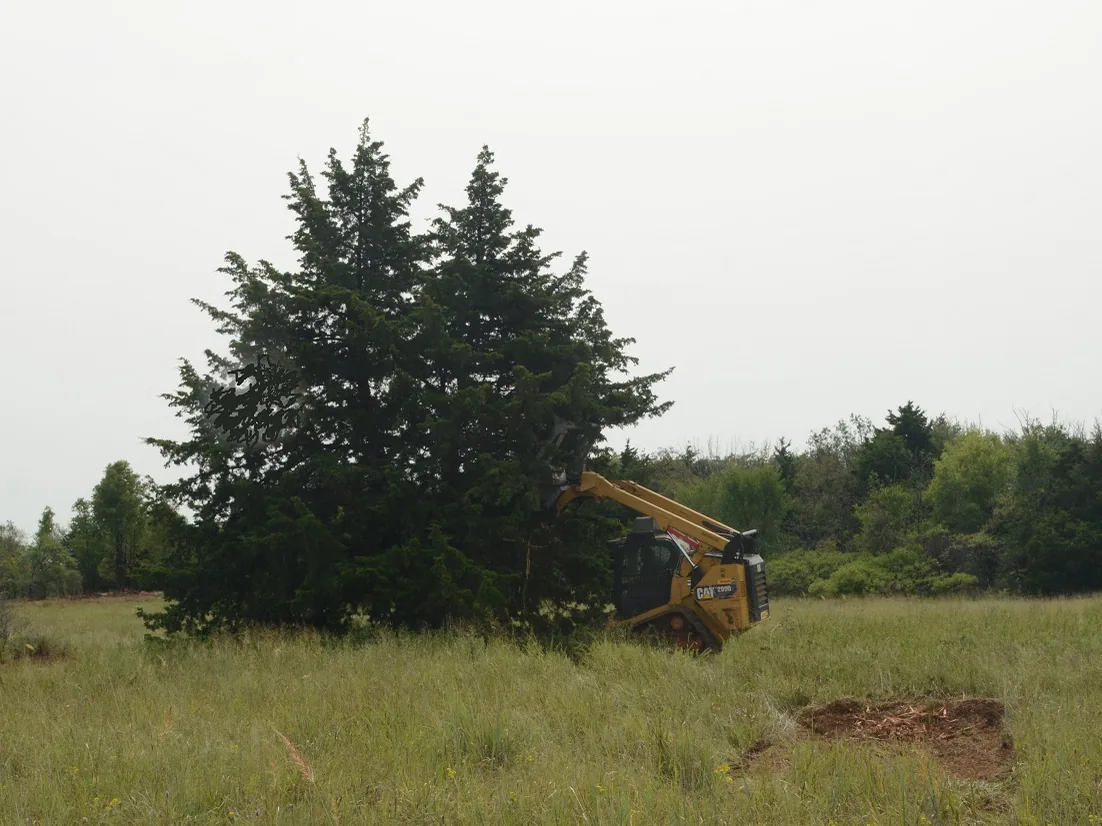
We grind standing cedar into mulch where it grows and leave it on the ground as cover. Live oaks and the trees you want kept stay in place.
Learn More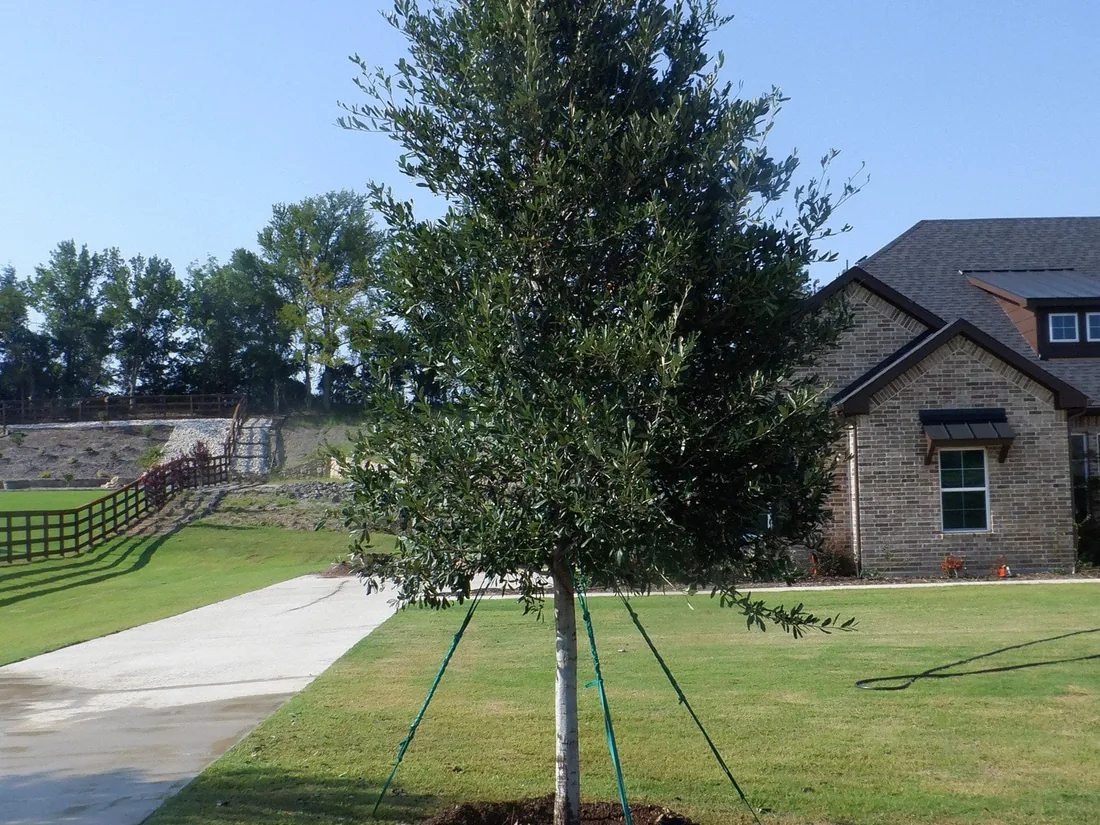
Landscaping for land that just lost its cedar. We plant native trees and shrubs, such as Texas sage and pecan, where the cedar came out.
Learn MoreTrees and brush are ground up in place. The mulch covers the soil right where they grew.
Our service area covers Austin and the towns around it. Lakeway, Leander, Kyle, Canyon Lake and Marble Falls are all part of it.
Once the land is open, we can fence a new pasture. We can also plant native trees and shrubs, such as pecan or Texas sage, where the cedar came out.
We look at the job before we price it. Then the quote comes to you in writing.
Tell us where your land is and what you want done with it. Call or text (512) 745-0804 or use the form, and we will get back to you.
Tell us about the land, the work it needs and where it is. We look at the job and put the quote in writing.